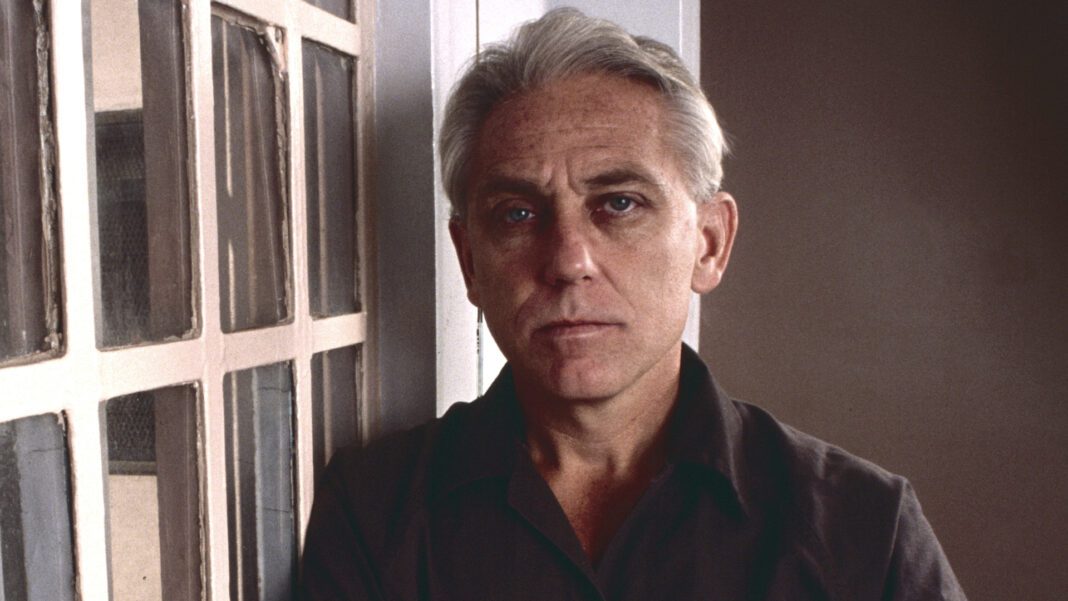

Jeffrey Robert MacDonald was initially known as a diligent and decorated military officer. However, his achievements were overshadowed by a crime that became one of the most sensational and controversial cases in American criminal history. In August 1979, MacDonald was convicted of murdering his pregnant wife and two young daughters. Read on for more details about the notorious New Yorker on queensyes.com.
Early Life and Marriage
MacDonald was born in Queens on October 12, 1943, into a poor family. While his father wasn’t a tyrant, he demanded obedience and success from his children. Jeffrey was quite popular in school, and at the end of 8th grade, he met Colette Kathryn Stevenson. They quickly connected and began a romantic relationship in 9th grade. The following summer, Colette left Jeffrey, and he started dating Penny Wells.
In 1962, MacDonald enrolled in the pre-medical course at Princeton University in New Jersey. During his sophomore year, he broke up with Wells and reconnected with Colette, who was then attending Skidmore College in New York. The couple actively wrote letters and met on weekends. Although MacDonald was seeing other women on the side, he decided to marry Colette when he learned she was pregnant with his child. Colette left college to raise the baby. The couple married in New York and honeymooned on Cape Cod in Massachusetts. In 1964, the couple’s first daughter, Kimberly Kathryn, was born.
After completing his degree at Princeton, MacDonald briefly worked as a construction inspector. Then, in 1965, he moved with his family to Chicago to attend the Feinberg School of Medicine at Northwestern University. While Jeffrey focused on his studies and odd jobs, Colette managed the household and raised their daughter. In 1967, their second child, Kristen Jean, was born.
In 1968, the family moved to Bergenfield, New Jersey, where MacDonald completed a one-year internship in thoracic surgery—the medical field dealing with injuries and diseases of the organs in the chest. During this time, he worked long hours and spent little time with his wife and daughters. After completing his internship, MacDonald joined the Army.
U.S. Army Service
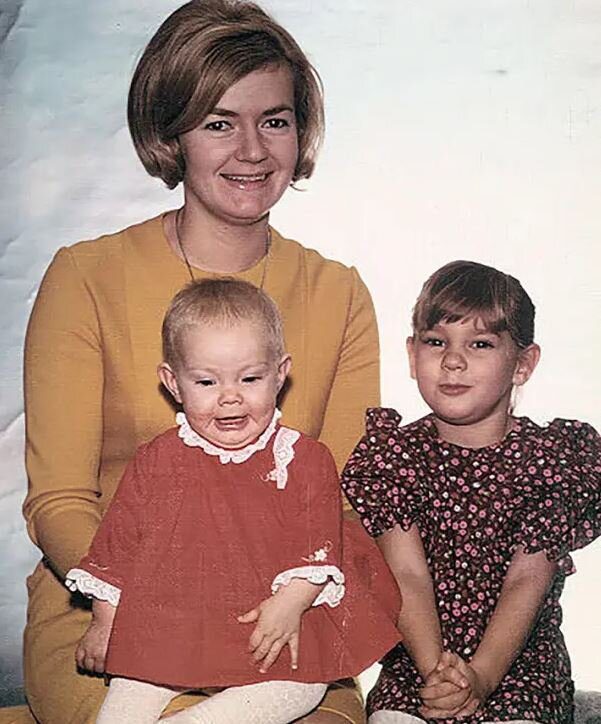
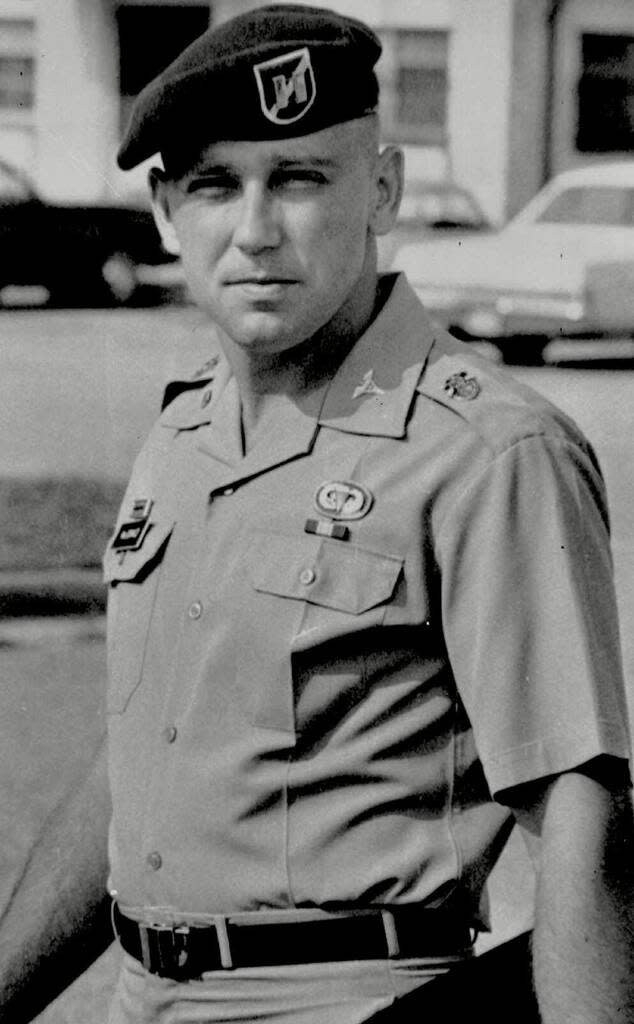
In 1969, Jeffrey MacDonald completed a six-week course for medical practice in Texas. He voluntarily joined the U.S. Army Special Forces as a Green Beret doctor. After arriving in North Carolina to serve as a surgeon, MacDonald moved his wife and children with him. They lived together in a housing complex designated for married officers. The couple gained a reputation among neighbors for their frequent and loud arguments. Before moving to their new apartment on the military base at Fort Bragg (now Fort Liberty), Colette had completed a two-year degree in English literature.
The Gruesome Murders
Shortly before Christmas 1969, when Colette was approximately three months pregnant with their third child, MacDonald bought a Shetland pony—one of the smallest pony breeds, originating from the Shetland Islands in the north of what is now Scotland. The doctor kept the purchase a secret from his family, covertly taking the animal to a farm in Connecticut as a Christmas surprise for his daughters. MacDonald was later promoted to Captain. It seemed everything was looking up…
On February 16, 1970, MacDonald took his daughters to see the pony. They returned home around 5:45 p.m. The Captain showered, changed into old pajama bottoms, and sat down to dinner with his family. After the meal, Colette left for an evening lecture. According to MacDonald, he then played with the children, letting them ride on his back like a pony. At roughly 7:00 p.m., the 26-year-old MacDonald put 2-year-old Kristen to bed, then fell asleep for an hour. Upon waking, he watched his 5-year-old daughter Kimberly’s favorite TV show with her, then put her to bed as well. Colette returned home around 9:40 p.m. The couple watched television together, during which time Colette fell asleep.
At 3:42 a.m. on February 17, Fort Bragg dispatchers received an emergency phone call from MacDonald, who was calling for help. The operator only managed to hear the address and a banging noise against a wall or floor. Military police arrived at the MacDonald home less than 10 minutes later, finding the front door locked and the house dark. Entering through the back door, they discovered a horrific scene.
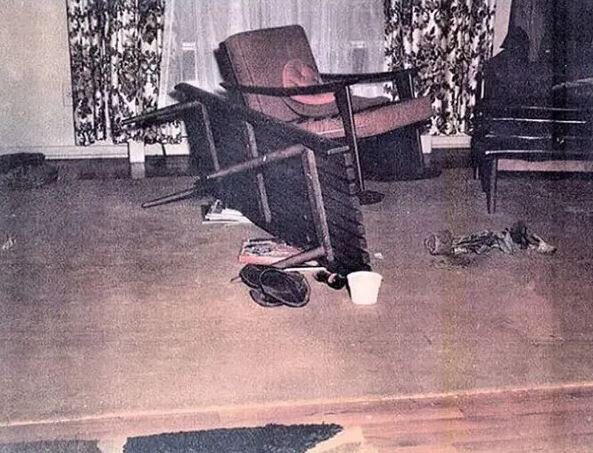
Colette was found sprawled on the bedroom floor. She had broken forearms and bruises all over her body from being beaten with a club. Additionally, she had been stabbed 21 times with an ice pick in the chest and 16 times with a knife in the neck and chest, with her trachea severed in two places. Jeffrey was lying next to her—alive but injured. The word “PIG” was written in Colette’s blood on the couple’s headboard. The deceased Kimberly was found in her bed with signs of beating to her head and body, as well as multiple knife wounds to the neck. Her skull was fractured, and one cheekbone protruded through the skin. Kristen was also lying motionless in her bed. She had suffered 33 stab wounds to her chest, neck, arms, and back, and 15 ice-pick punctures.
MacDonald staunchly denied any involvement in the crime. Instead, he claimed that four intruders broke into the apartment and attacked him, his wife, and children with knives, clubs, and an ice pick. However, law enforcement found significant physical evidence pointing to the former doctor’s guilt. This included threads from MacDonald’s pajama top found near his wife’s body in the bedroom; the absence of threads on his pajama top in the living room where he claimed to have struggled with the intruders; blood samples from one of his daughters on his eyeglasses; and his wife’s bloodstains on his pajamas, among other items. Ultimately, in 1979, the Captain was sentenced to three consecutive life terms at the Federal Correctional Institution in Cumberland, Maryland.
National Spotlight
Few murder defendants have been as meticulous in cultivating media connections as Jeffrey MacDonald. Thanks to books, television, and newspapers, he made his name nationally known. In 1983, Joe McGinniss’s book, Fatal Vision, detailing the crime and the decade-long controversy surrounding it, was released. A year later, an eponymous miniseries based on the book aired. Other works about the criminal case were also produced. The coverage of the crime was framed around concepts like truth, justice, impartiality, and honesty, yet each of these high ideals often seemed to contradict the others. Dishonesty was used to establish the truth, and justice often appeared less than impartial.
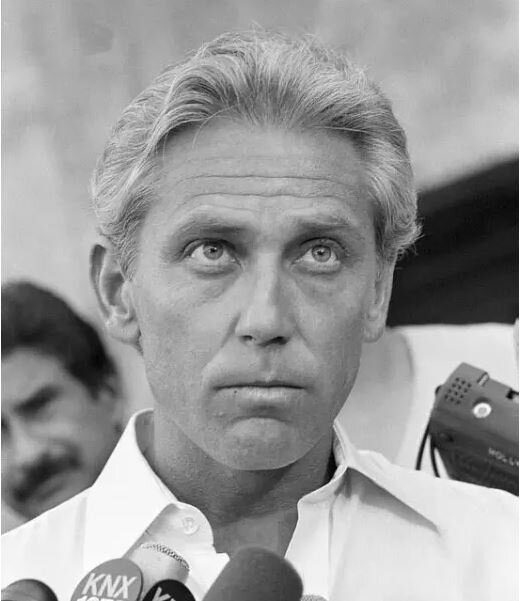
For over two decades, America watched the enigmatic Army doctor. Most people were convinced he was guilty as charged, although doubts lingered. Unlike the three victims, MacDonald’s wounds were superficial, and none required stitches. Furthermore, the room where he allegedly fought for his life was suspiciously neat. MacDonald’s second wife, Kathryn, married the convict in 2002 and spent nearly two decades trying to prove her husband’s innocence. She advocated for MacDonald—whom she could only see in a prison waiting room—by communicating with the media, working with lawyers, speaking to potential witnesses, and even appealing to President Donald Trump.