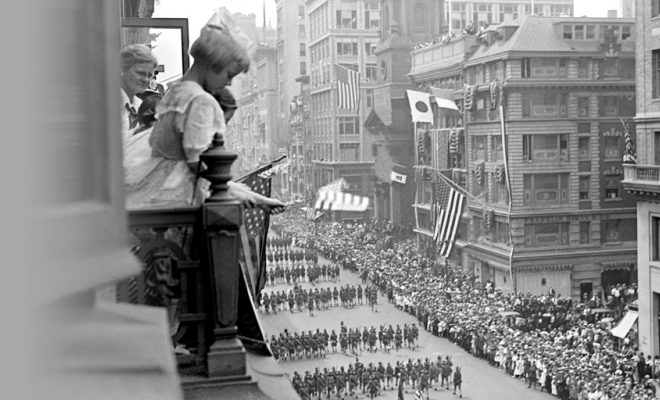

World War I was one of the bloodiest conflicts in human history. It heralded the introduction of devastating modern weapons, including poison gas, aerial bombardment, machine guns and long-range artillery. The United States troops tipped the scales in favor of victory for the Allies, forever changing America’s position on the global stage. But this victory came at a steep cost, with over 116,000 American soldiers losing their lives and around 20 million others wounded. New York State bore a heavy burden, contributing over 500,000 soldiers, of whom 13,956 made the ultimate sacrifice. For more details, check out queensyes.com.
Briefly about the war
On June 28, 1914, Bosnian Serb-nationalist Gavrilo Princip assassinated the heir to the Austro-Hungarian throne, Archduke Franz Ferdinand, in the center of Sarajevo, Bosnia and Herzegovina. A few weeks later, Austria-Hungary declared war on Serbia, accusing it of involvement in the assassination attempt. Two opposing coalitions emerged: the Allies, which included France, Russia, the British Empire, Italy, Japan and the United States (joining in 1917) and the Central Powers, consisting of Germany, Austria-Hungary, Bulgaria and the Ottoman Empire.
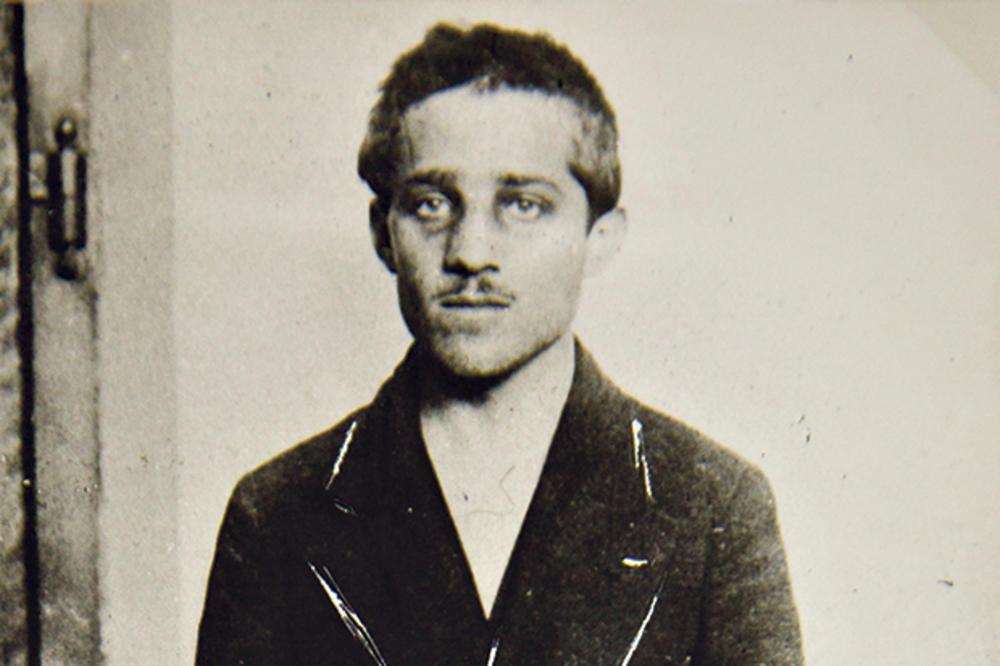
Gavrilo Princip
The conflict began in the Balkans and primarily spread across Europe, later extending to the Middle East and Africa. The war ended on November 11, 1918, when Germany surrendered, marking a victory for the Allies. Known as the Great War, World War I involved 38 nations. Historians estimate that around 8.5 million soldiers and 13 million civilians lost their lives during this tumultuous period. The war led to the dissolution of the Austro-Hungarian, Ottoman, German and Russian empires, giving rise to new nations like Latvia, Lithuania, Estonia, Finland and the Czechoslovak Republic, among others. Additionally, Germany forfeited its colonial territories and the war laid the groundwork for the decline of the British Empire.
The United States’ entry into the war
After the war began, the United States of America announced its stance on neutrality. However, it simultaneously became a key provider of weapons, military supplies, food and fuel to Great Britain and its allies. Eventually, the United States government shifted its policy of isolationism to an active alliance with the Entente nations. On April 6, 1917, the United States formally joined World War I. The American forces played a crucial role in the battles on the Western Front during 1917 and 1918.
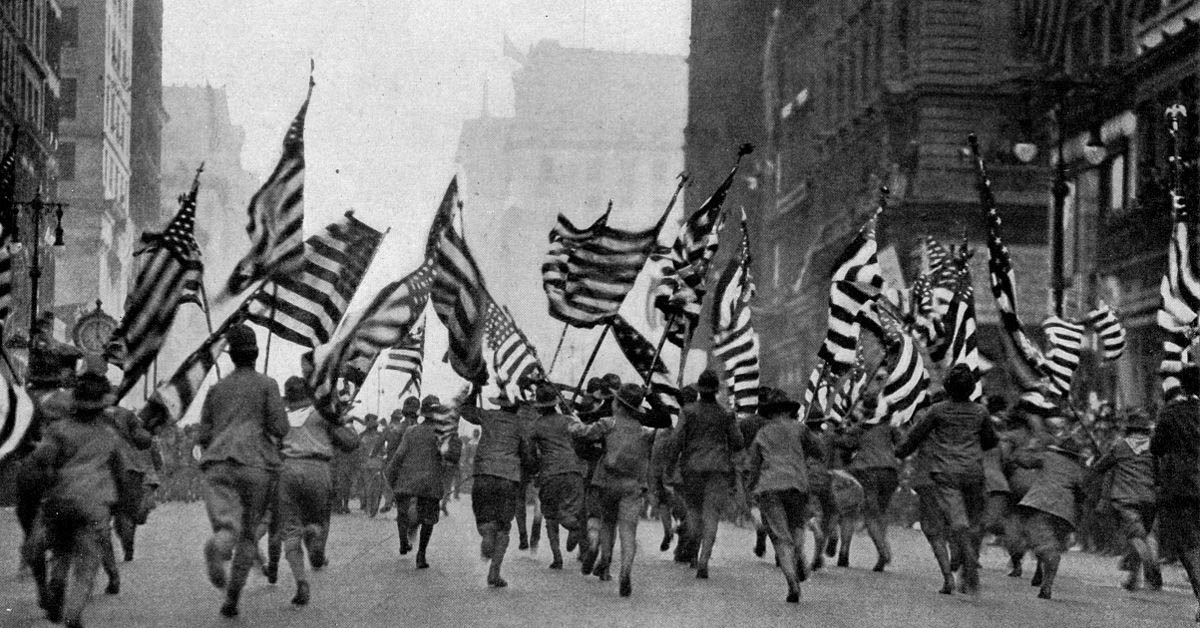
Every day, up to 10,000 American soldiers were landing in Europe while the Germans were struggling to replace their troops. During the spring offensive of 1918, which was the final push of the German Army on the Western Front and lasted five months, the Americans proved themselves to be a formidable military power. They also played a crucial role in the Allies’ ultimate and decisive offensive.
New York’s participation
Beginning in April 1917, when the United States officially entered the war, the state of New York contributed in every way to the victory of the Entente. Hundreds of people gathered along the piers, seeing soldiers heading to Europe. It wasn’t just the troops that were sent to the other continent, but also ships loaded with tanks, food and medical supplies. According to official records, over 500,000 residents of New York joined the military during the war, representing 12.5 percent of all individuals who served in the United States armed forces. New York suffered the greatest loss of any state, with 13,956 lives lost in the conflict.
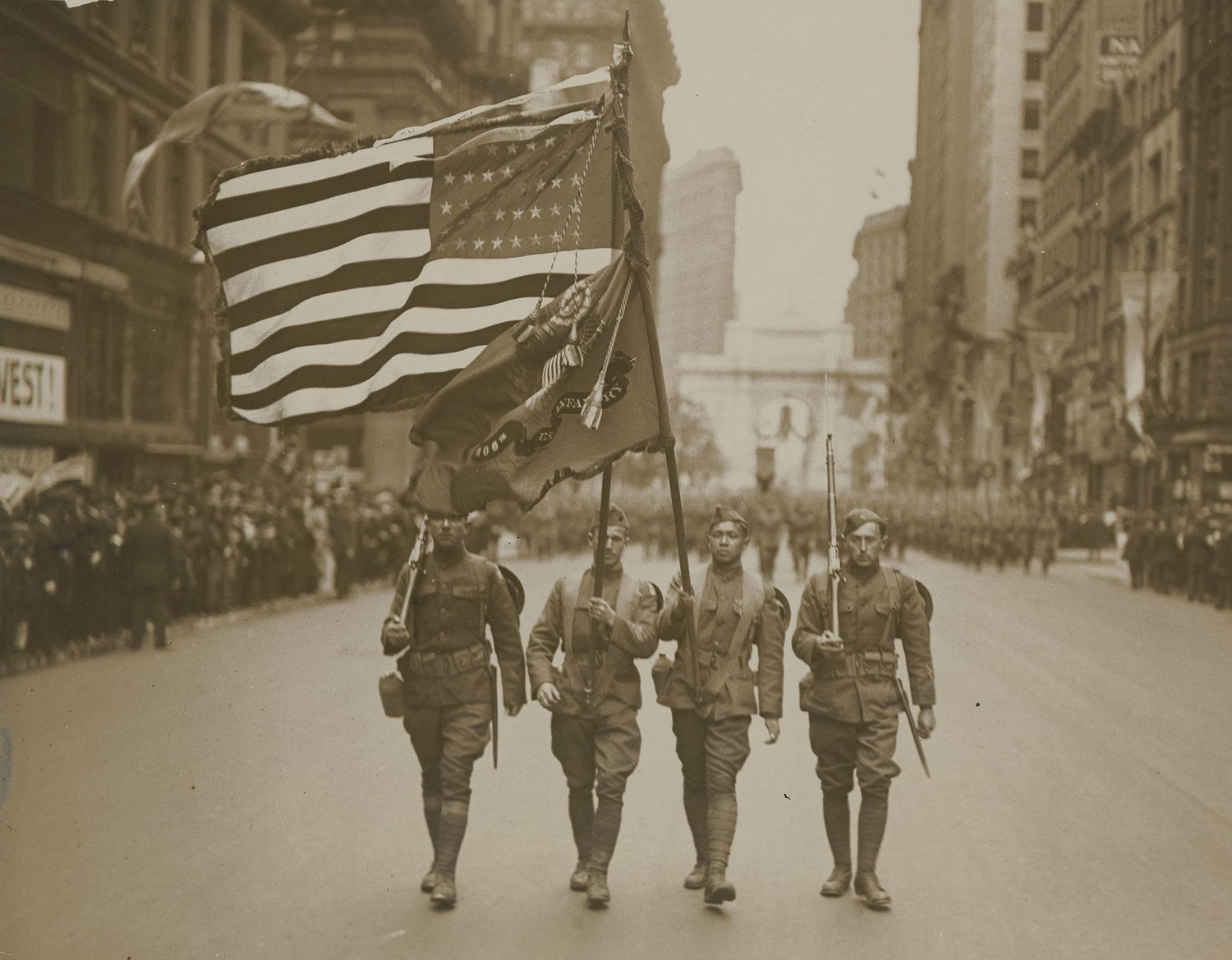
African Americans were integrated into separate units under the command of white officers. The 369th Infantry Regiment brought together black soldiers from all over New York State. It was the first African American regiment to engage in the war. The naval warfare significantly restricted civilian international travel and ended the relentless flow of immigrants who had influenced life in New York State for many years. Assaults on American vessels compelled Americans who had maintained neutrality to change their stance.
Home front
The state’s industries were engaged in active production for the war effort. For instance, Remington Arms manufactured rifles, while the Savage Arms factory provided machine guns. Steel was produced by the Lackawanna Iron and Steel Co. (Erie Co.), explosives by the National Aniline Company, and military aircraft by the Curtiss Airplane Co. In 1916, the Curtiss Engineering Corp., a subsidiary, established a factory in Garden City, which marked the start of Long Island’s aviation industry.
The banks of New York provided financial support for the war effort. To fill the gap in the agricultural workforce, thousands of children were allowed to leave school. Notably, the curriculum for elementary school students included studying the timeline of events leading up to the war, exploring battle sites on maps and understanding military terminology, among other topics.
Internal defense committees were formed throughout the state, bringing together hundreds of thousands of volunteers alongside local American Red Cross chapters. The New York State Federation of Women’s Clubs participated by organizing food canning efforts. Lots of people held rallies and took other actions to express their support for the troops.
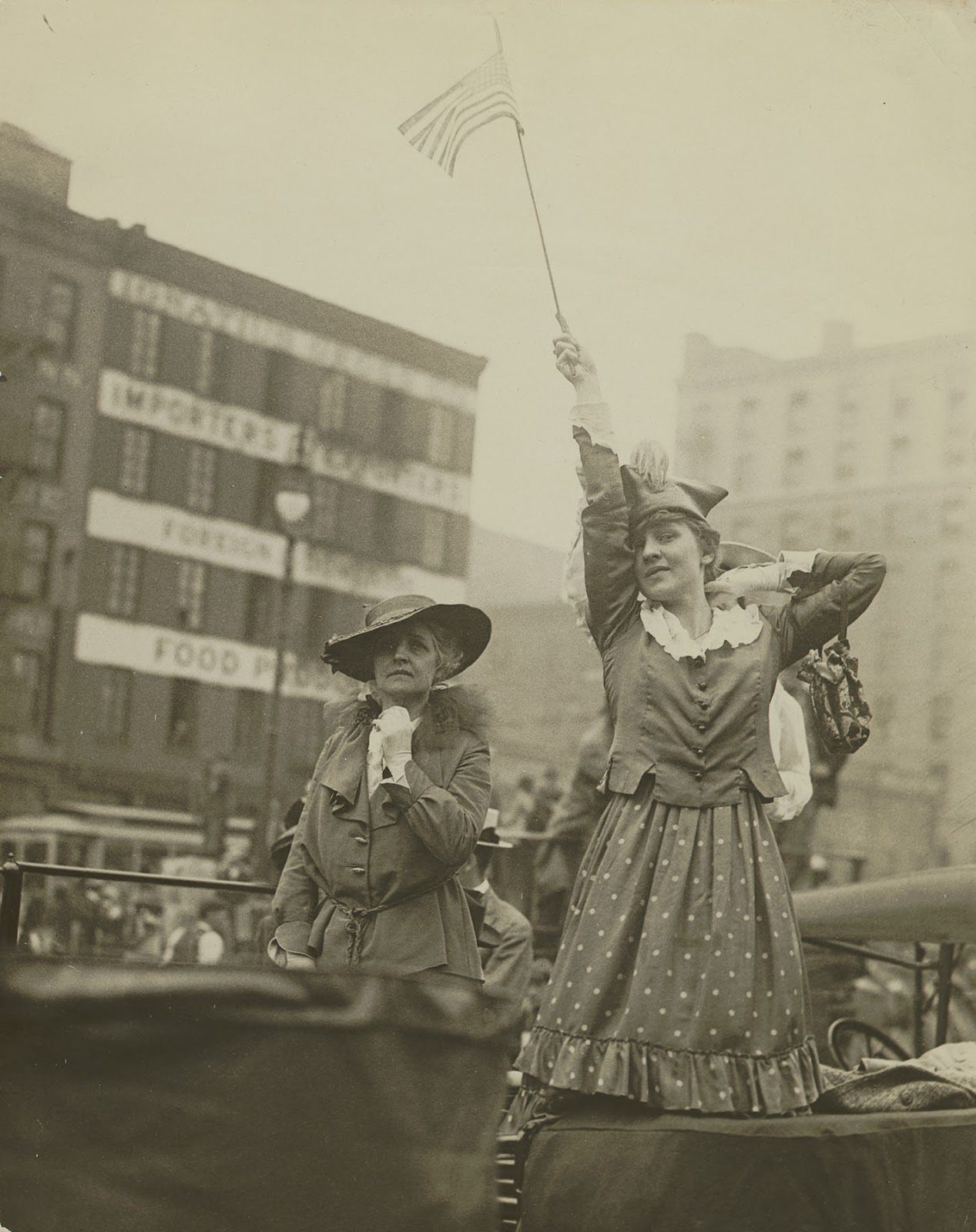
However, not all efforts on the home front were so optimistic. The state paid particular attention to immigrants from hostile countries. Citizens of Germany, Austria-Hungary, and the Ottoman Empire were required to register on a special list of hostile aliens. They were also prohibited from entering strategically important military zones to prevent any separatist movements. The primary victims of the repression were Americans of German descent. In artistic and cultural institutions, German personnel were replaced by Italians and French, as seen at the Metropolitan Opera. The German press almost ceased to exist due to the obligation to submit English translations of all texts to postal inspectors. Additionally, schools no longer conducted classes in German.
Meanwhile, immigrants who didn’t come from hostile countries and backed the United States’ position had a great chance to make a name for themselves. Jews and Italians, for instance, did just that. However, political radicals and pacifists faced intense scrutiny from the government, which led to the dismissal of numerous educators who held dissenting opinions. A notable case was the firing of Columbia University professor James McKean Cattell in October 1917. Following his dismissal, many other scholars who expressed their discontent also lost their jobs.
Even in a democratic nation such as the United States, individuals who declined military service were subjected to ridicule and persecution. During the largest raid in New York City in early September 1918, the American Protective League apprehended more than 50,000 men, with only 8 of them being actual draft evaders.
Despite official and unofficial repression, the nation saw a surge in anti-war activism. Numerous events were held to defend the rights of draftees, immigrants, and radicals. Additionally, inflation, lack of affordable housing and extended work hours fueled growing anti-war sentiment. In New York and other states, workers have demanded better wages and working conditions.
To protect the state’s agricultural produce, advocates pushed for limiting whiskey production, as it relied on corn. There were also efforts to close down breweries owned by Germans. Meanwhile, women campaigned for voting rights and the ability to hold office. Thanks to Carrie Chapman Catt’s leadership, women in New York State secured this right through a state referendum in November 1917.