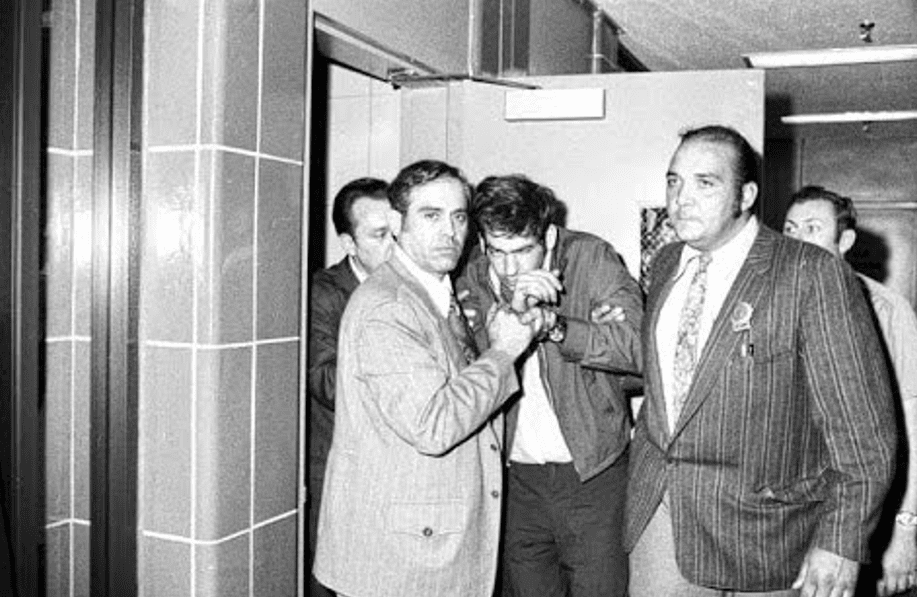

The crime rate and the percentage of criminals brought to justice reveals a lot about the city and its law enforcement system. In the 1970s, more than 50 detectives tried to find a killer who kept Queens in fear. Women did not go out alone. Homeowners bought dogs to alert them to any strangers in the yard. Serial killer Joseph Baldi slaughtered four women and girls during a robbery. Such terrible consequences would not have happened if the psychopath had not been mistakenly released from arrest. Read more about New York’s Jack the Ripper on queensyes.com.
The first victim
Joseph Baldi was born on January 16, 1941 in the Richmond Hill neighborhood of Queens. From an early age, he broke the law by robbing houses. From 1962 to 1967, Baldi was treated for mental illness at Creedmoor State Hospital. Joseph learned carpentry in the hospital’s workshop.
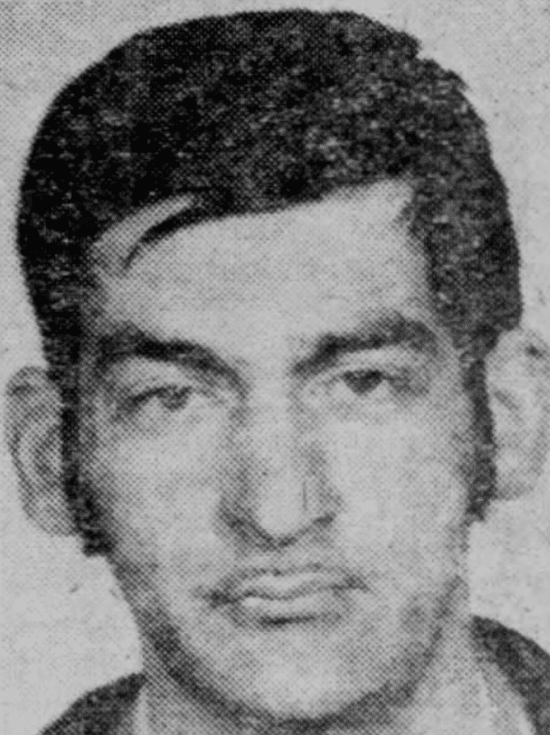
In September 1970, Areti and Dimitros Koularmanis, along with their three young children, traveled from Toronto to New York City for a family party. They stayed overnight at Dimitros’s parents’ house in the Jamaica neighborhood. In an instant, the celebration turned into tragedy. Baldi, intending to rob the house, climbed inside through an open window. He ended up in the bedroom of 23-year-old Areti.
To stop her from screaming, Baldi stuck a knife in the woman’s throat. Areti, barely standing on her feet, called for her husband’s help. Blood gushed from a deep wound in her throat. The unfortunate woman was taken to the hospital. She died from her injuries four hours later. Baldi covered up all traces of the crime, which prevented the police from finding the killer. Jewelry and money were missing from the room where the attack took place.
Other crimes
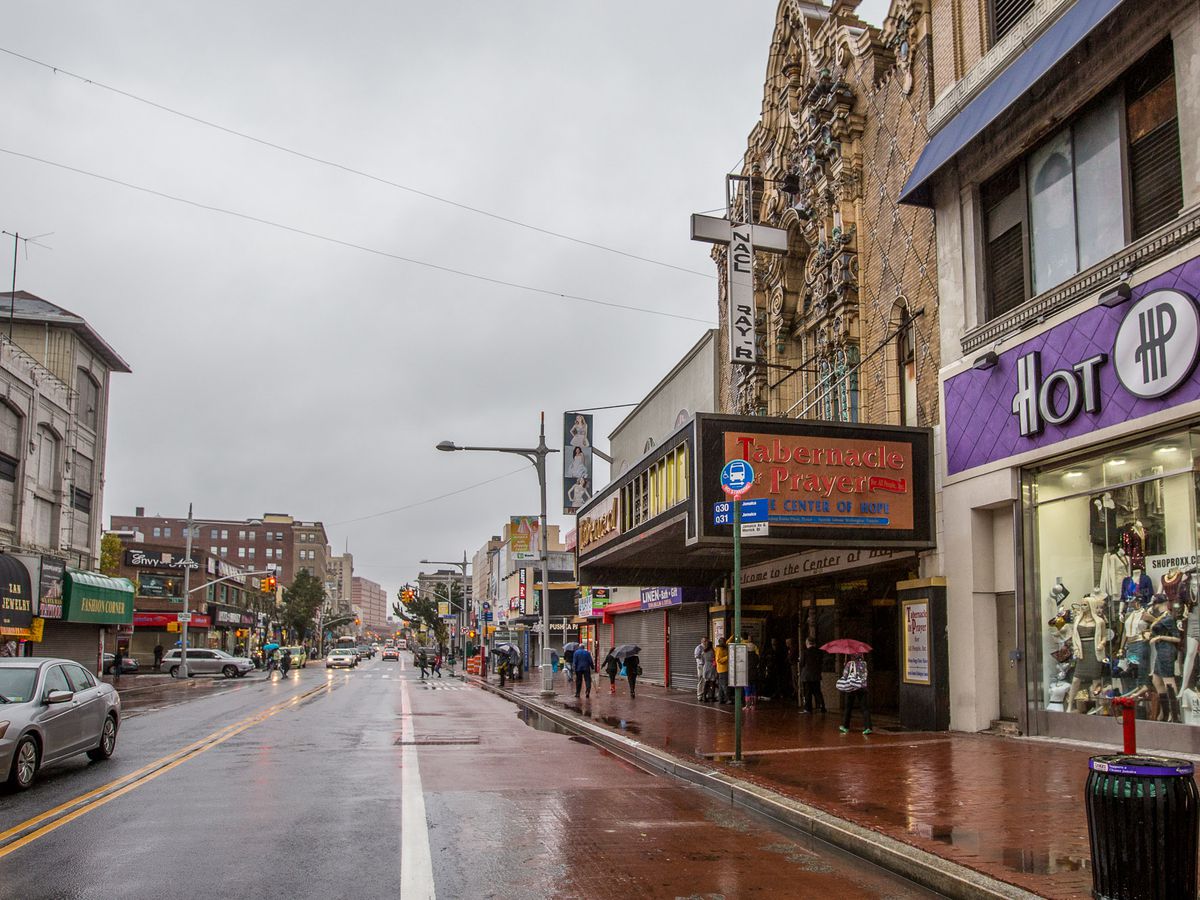
After his successful escape, the murderer continued to rob houses in the Richmond Hill and Woodhaven neighborhoods. In September 1971, a Woodhaven resident told police that he had seen a man climbing into his neighbor’s window. Two officers tried to stop Baldi. The criminal unsuccessfully fired at the officer named Hamberger. Before he could fire again, the police detained him. During the search of his belongings, they found a driver’s license. It belonged to the woman Baldi had robbed.
Although Joseph was charged with several crimes, including theft and illegal possession of a weapon, his medical history led to his being committed to a mental institution. In January 1972, Baldi was released from prison without a criminal conviction.
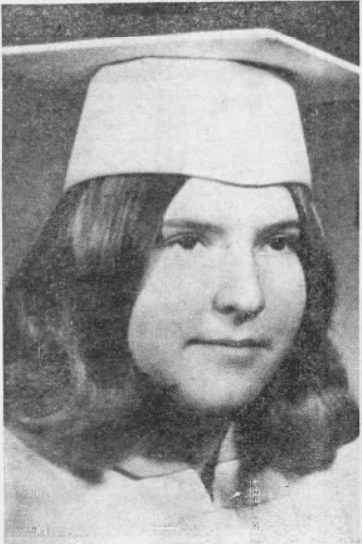
Less than two months after his release, Baldi resumed his criminal activities. In March, he entered the bedroom of 17-year-old Camille Perniola, who lived with her parents in the Jamaica area. The killer stabbed her in her sleep and fled. In the morning, Armando Perniola went to his daughter’s room and was horrified to see her bloodied, dead body. The killer acted so quietly and quickly that Camille’s 7-year-old brother, who was sleeping in the room with her, did not wake up during the attack.
In April, Baldi broke into the apartment of 21-year-old secretary Clara Toriello, who lived with three other family members. He stabbed her four times in the back and neck, tore off her underwear and cut it to pieces. At about 7 AM, Toriello’s sister went into her room to wake her up for work, but found her dead. As in other cases, Baldi entered through an open window sometime after midnight.
After this incident, police often received reports that the ‘silent devil’ was threatening women at night. One of them woke up to see a man’s hand with a knife reaching out the window. Her screams frightened the killer.
The last attack occurred in Jamaica in June. Joseph stabbed 15-year-old Deborah ‘Debbie’ Januszko in the chest. John and Angelina Januszko were awakened by their daughter’s screams. They ran to her room and found Debbie sitting up in bed, blood pouring from her chest. The injured girl died before paramedics arrived.
Baldi stood on a metal milk carton to reach the window. Police found several fingerprints on the windowsill and the killer’s fetish, pieces of a cut bra. This was found at every crime scene, regardless of whether it was on the victim or torn from a clothesline. Although none of the women had been raped, police always found signs of sexual perversion.
A few days after Januszko’s murder, her classmates told police that they were being followed by a tall, thin man with dark hair. Several other women gave the same description. In June, two detectives arrested Joseph Baldi in the middle of the street because he looked exactly like the wanted psychopath. Joseph, 31, lived on welfare in an apartment building. He had been in and out of psychiatric institutions since 1962. Detectives found knives, a gun and several magazines in his room.
25 years in prison
The court initially charged Baldi with attempted murder of officer Hamberger. However, his lawyer said during the hearing that Baldi suffered from schizophrenia and dissociative disorder identity. People with this disorder behave as if they are two or more personalities at the same time. The director of the hospital’s psychiatric department announced the results of Baldi’s examination. According to him, the defendant was aware of his actions when he attacked the officer.
Prosecutors presented a 45-minute recording in which Baldi confessed to four murders. According to court documents, during interrogation, the suspect fell into a trance, described the crime and recreated the murder in the Januszko house. However, he said that he did not remember making such confessions.
Baldi was sentenced to 25 years in prison. His lawyers filed an appeal, arguing that he did not receive a fair trial because he was too insane to understand his actions. He remained behind bars for the rest of his life before dying in October 2009 at the age of 68 from unknown causes.
Baldi was compared to other New York serial killers, Charles Yukl and Ricardo Caputo. All three were considered model prisoners. In prison, they behaved exemplary and continued their atrocities after release.
A period of corruption and political chaos
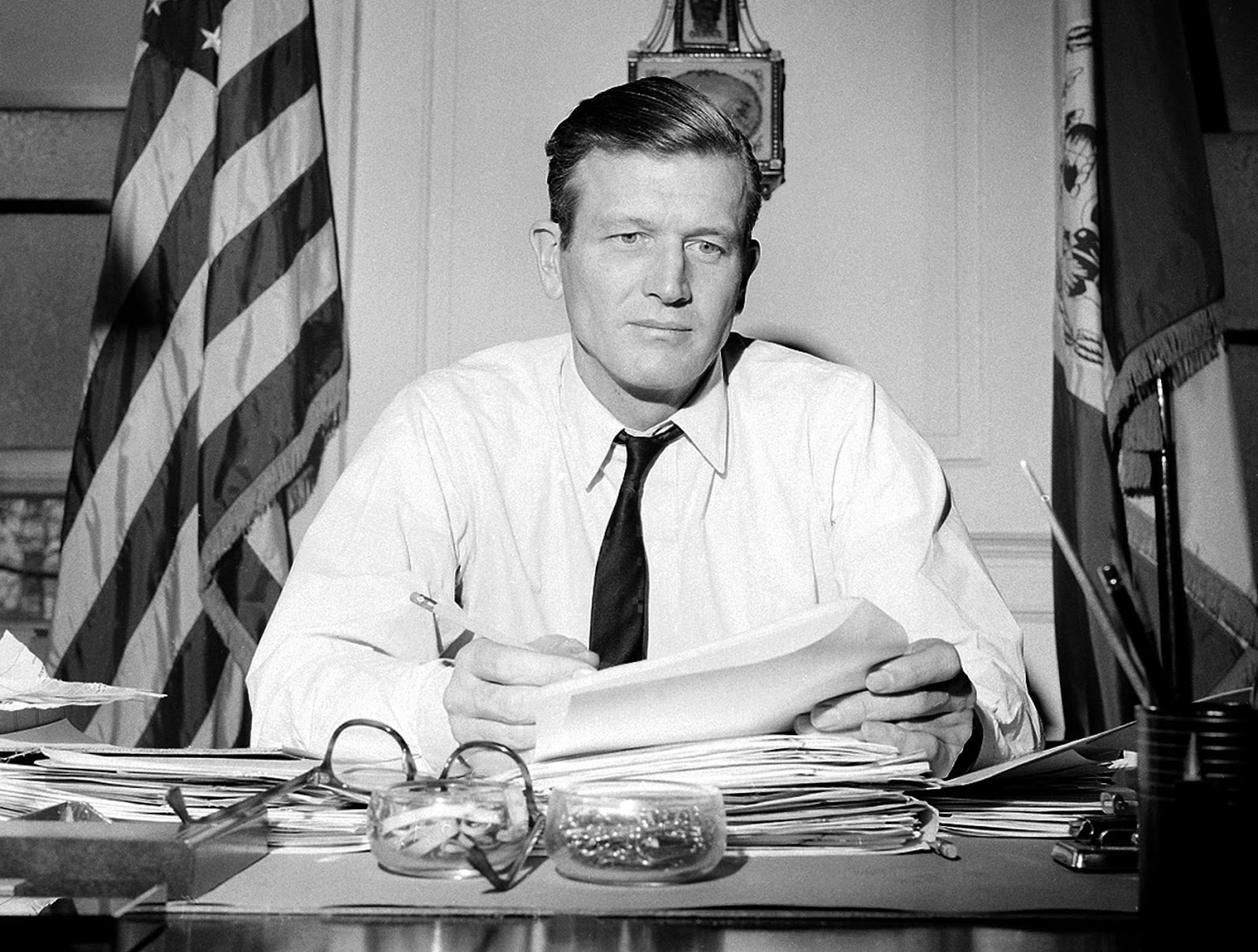
After the first murder, Baldi, who was caught, should have been behind bars. However, the cruel psychopath ended up on the streets due to the imperfection of the judicial system, as well as the improper functioning of the state psychiatric hospital. During the period of Baldi’s violent actions, John Lindsay was in charge of New York. In 1971, he switched from the Republican Party to the Democratic Party.
In 1970, the New York Times published allegations of widespread police corruption by patrolman Frank Serpico. As a result, Mayor Lindsay formed a special commission to investigate the corruption scandals. As a result, many New York City officers disliked the mayor and asked him not to attend funerals if they were killed in the line of duty.
In 1993, Melvin J. Holley conducted a survey of historians, political scientists and urban planners about Lindsay’s administration. Holley ranked Lindsay 16th on a list of the worst mayors of major American cities from 1820 to 1993.