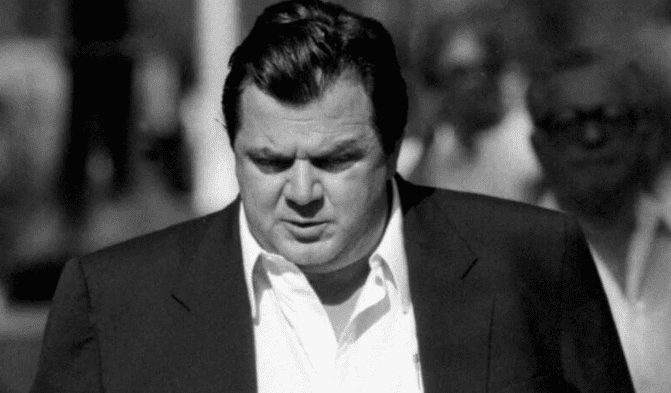

After all the bosses of his generation were sent to prison, Joe Massino became the head of one of the five crime families in New York and a government informant. Before his conviction for racketeering in 2004, Massino was called ‘The Last Don’. He was the only head of a New York crime family who was not in prison. Read more about the New York Mafia boss on queensyes.com.
Rastelli’s protégé
Joseph Massino was born on January 10, 1943, in New York City to Neapolitan-American parents. Joseph grew up in the Maspeth neighborhood of Queens. He committed petty crimes as a child, dropped out of school in the 10th grade and ran away from home to Florida.
New York was controlled by 5 crime families of the Italian-American mafia: Bonanno, Gambino, Genovese, Colombo and Lucchese. Each clan was responsible for a certain area of the city, had an organizationally structured hierarchy and was subordinate to the same main management body. The boss of each family reported to the capo dei capi (boss of all bosses).
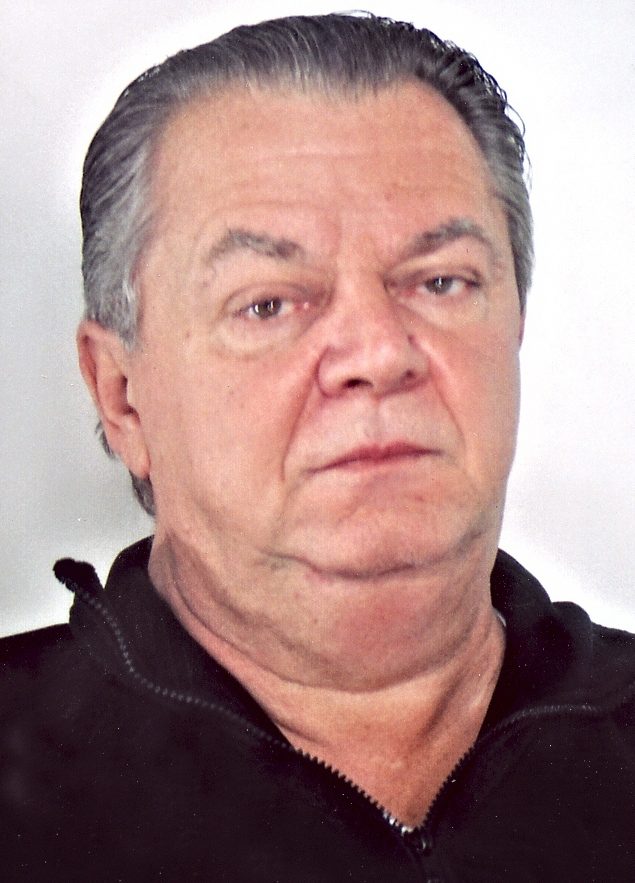
By the late 1960s, Massino was a partner in the Bonanno clan. When Joseph led a truck theft group, he demonstrated the traits necessary for a successful career in the mafia, namely intelligence, ability to earn money and a willingness to kill. He soon moved to manage a specialized hijacking squad that oversaw the interception of valuable cargo. In 1974, Bonanno family boss Philip Rastelli was sentenced to 10 years in prison. A drug dealer, Carmine Galante, became the unofficial head of the clan.
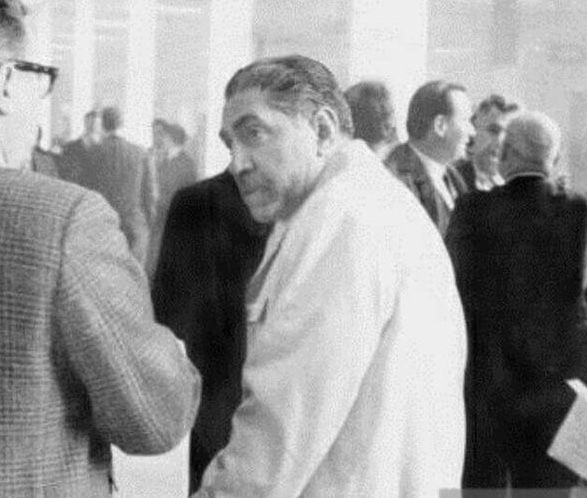
In 1977, Massino, a protégé of Rastelli, officially became a member of Bonanno. Two years later, Rastelli killed Galante with the help of Massino. After this murder, Massino competed for power with Dominick Napolitano. Both men were threatened by a group led by Alfonse Indelicato, Dominick Trinchera and Philip Giaccone.
In 1981, Massino learned from his informants that their enemies were planning to kill Rastelli’s supporters in the Bonanno family to gain full control. In May, Massino, Napolitano and Gerlando Sciascia shot and killed three competitors: Trinchera, Giaccone and Indelicato.
Internal split
Joseph was confident that there were no ill-wishers within the Bonanno family. However, in 1981, it turned out that one of the members, Donnie Brasco, was actually an undercover FBI agent, Joseph Pistone. This discovery created an atmosphere of tension for the next 10 years.
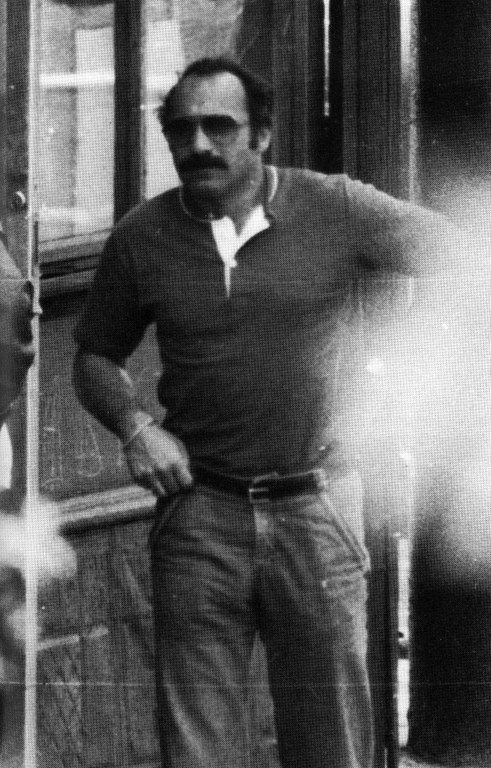
Since the undercover agent was brought into the gang by Napolitano, Massino was deeply concerned about the security breach. He was skeptical of his partner and killed Napolitano. On Massino’s orders, Benjamin Ruggiero, who helped Pistone formally become a partner in Bonanno, was also killed. In 1982, Massino killed several more people involved in Pistone’s appearance in the gang.
Trials
In 1982, Joseph Massino was in hiding in the Pennsylvania town of Milford, awaiting indictment. In 1987, he was found guilty of racketeering. He was sentenced to 10 years in prison. Rastelli was sentenced to 12 years. As Rastelli’s health deteriorated, Massino de facto led the Bonanno family.
Rastelli spent two years of his reign behind bars. Massino respected Rastelli’s mentorship and had no intention of taking over the leadership of the clan through crime. The boss died in 1991, while Massino was in prison on labor racketeering charges.
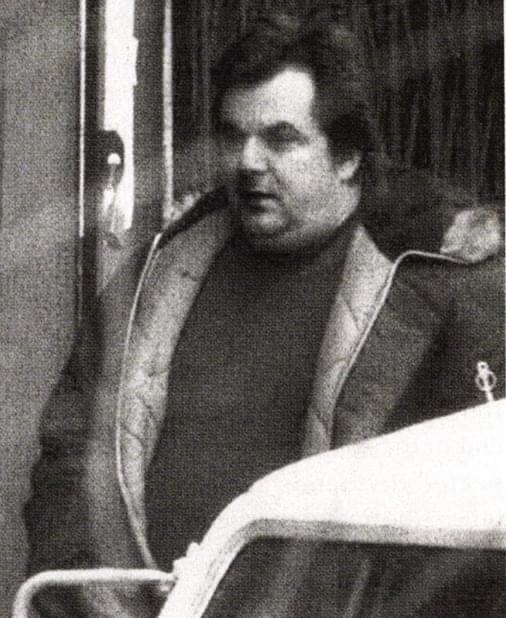
The following November, Massino was released from prison for 2 years on probation. He set about rebuilding the Bonanno family, which had been in turmoil for almost a quarter of a century. At the beginning of the new millennium, he was considered the most powerful mafia leader in the country. Under Massino’s leadership, the Bonanno family became the most powerful of the New York clans. He directed its members to union racketeering and avoided high-profile thefts that could arouse the suspicion of the police.
Massino understood that he had a long reign ahead of him. Determined to avoid prison, he forbade his men to say his name out loud. Instead, they were to give a different signal, namely to touch their ears. They organized clan meetings in remote places, even in other countries.
To avoid the presence of undercover agents in the clan, Massino created a mandatory requirement. All potential members of the crime family must work for it for at least 8 years. This time is enough to test a person for reliability.
To minimize the damage from informants or undercover investigations, Massino decentralized the Bonanno family organization. He created a clandestine system of cameras for his crews, forbidding them from contacting each other and ordering them to avoid meeting with their caporegimes. Instead, a special committee was created to relay orders to Massino’s crews. No one knew what the other was doing. To minimize the possibility of being caught up in the clan by informants, he also closed the family clubs.
In May 2004, Massino’s trial started. He was charged with seven murders. Time magazine called Joseph ‘The Last Don’, referring to his status as the only New York boss who was not serving time in prison at the time.
In July, a jury found Massino guilty on all 11 counts. At the time, he was expected to receive a life sentence without parole. The jury also approved the prosecutor’s recommended forfeiture of $10 million.
In July, Massino met with Judge Garaufis to cooperate, as he faced the death penalty for one of the murders. In the same year, Joseph officially became head of the Bonanno family. At that time, he announced that his people should consider themselves members of the Massino family.
After pleading guilty to a murder in 2005, Joe Massino was sentenced to two consecutive life sentences. Massino paid $12 million to secure a plea deal with the government. No one in the Bonanno family had previously been a government informant. This allowed Joseph to reign supreme while other bosses were in prison. He remained as boss until 2013. Then, he was replaced by Michael Mancuso.
Throughout this time, Massino cooperated with the country’s authorities, which allowed him to remain free. In June 2013, the U.S. Department of Justice asked Judge Garaufis to commute the mobster’s sentence because of his unprecedented cooperation and deteriorating health. Garaufis granted their request on July 10, exchanging his sentence for supervised release.
Personal life
In 1956, Massino met his future wife, Josephine Vitale. They got married 4 years later. The couple became the parents of three daughters. Josephine’s brother Salvatore is one of Massino’s most reliable allies.
In his youth, Joseph had an athletic physique. However, he gained excess weight in adulthood. During the trial in 1987, FBI agent Joseph Pistone joked that it would be difficult to find someone fat enough to play Massino in a biopic about him. Until 2004, he suffered from diabetes and high blood pressure.
The mafia boss lived his last days in Ohio. He died after a short illness in a rehabilitation facility on Long Island in 2023. The gangster was 80 years old.