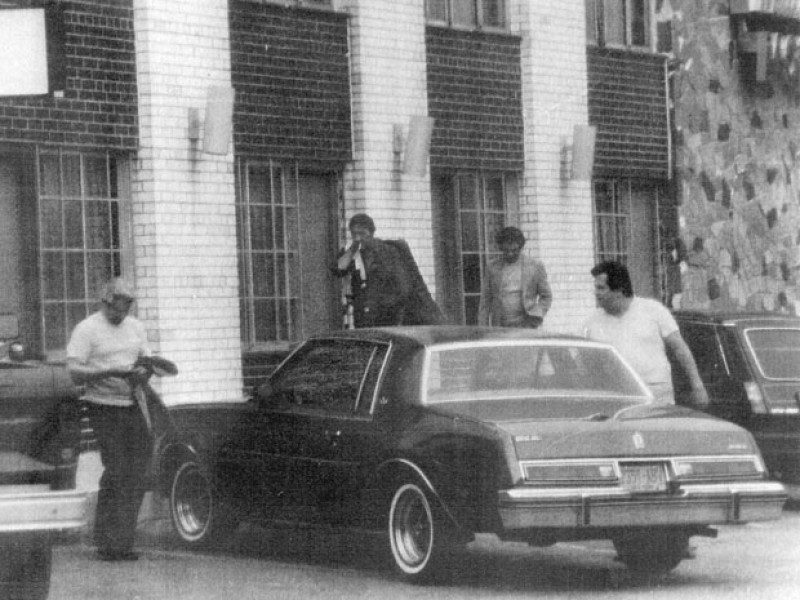

Crime rates and the percentage of offenders brought to justice reveal much about a city’s leadership and law enforcement. Due to imperfections in New York State’s judicial system, widespread corruption, and inefficiencies in public institutions, violent psychopaths often ended up not behind bars, but free on the streets among the public. Such conditions also provided fertile ground for the spread of mafia clans that kept residents in a constant state of fear for years. This situation affected all boroughs of the city. Read on for more about the most notorious criminals who once terrorized Queens, as reported on queensyes.com.
New York’s “Jack the Ripper”
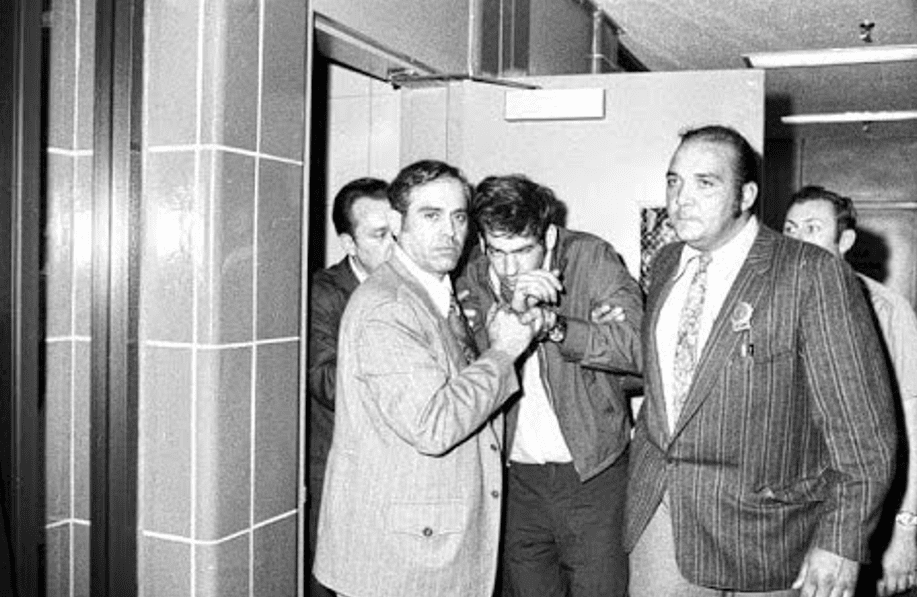
In the 1970s, more than 50 detectives worked to track down a serial killer who kept all of Queens in terror. The culprit turned out to be Joseph Baldi, a native of Richmond Hill. In September 1970, he committed his first murder. Areti and Dimitros Koularmanis were staying in Jamaica with their three young children when Baldi broke into their bedroom through an open window with the intent to rob them. He stabbed Areti in the throat, and she later died in the hospital. Baldi took cash and jewelry, covering his tracks so well that police couldn’t initially identify the killer.
Baldi went on to commit several more robberies in other parts of Queens. In September 1971, two police officers apprehended him and discovered he was carrying a driver’s license belonging to a woman he had robbed. As he had previously been committed to a psychiatric facility, Baldi was again sent for treatment. By January 1972, he was free once more, having received no criminal punishment. Just two months later, he broke into the bedroom of 17-year-old Camilla Pernoila and killed her in her sleep, stealing valuables before fleeing. He continued his killing spree, murdering 21-year-old secretary Clara Toriello in April during another burglary. His final attack came in June on 15-year-old Deborah “Debbie” Januszko, who died from a stab wound to the chest.
Though not a sexual predator, Baldi left behind signs of disturbing behavior at each crime scene, such as slashed bras. A photo composite by Januszko’s classmates, who had seen Baldi stalking her days before the attack, finally led to his capture. Other women who had survived his robberies identified him as well. At that time, the 31-year-old killer was living off welfare payments.
Baldi was sentenced to 25 years in prison. This relatively short sentence, considering the extent of his crimes, was influenced by his medical conditions of schizophrenia and dissociative identity disorder. He acted as though multiple personalities resided within him. Baldi died in prison in October 2009 at the age of 68. Notably, after his first murder, he should have been incarcerated. However, amid a period of violence, corruption, and political turmoil, New York was under the governance of John Lindsay. Negligence and bribery had severe consequences for the city.
The Scorned Wife
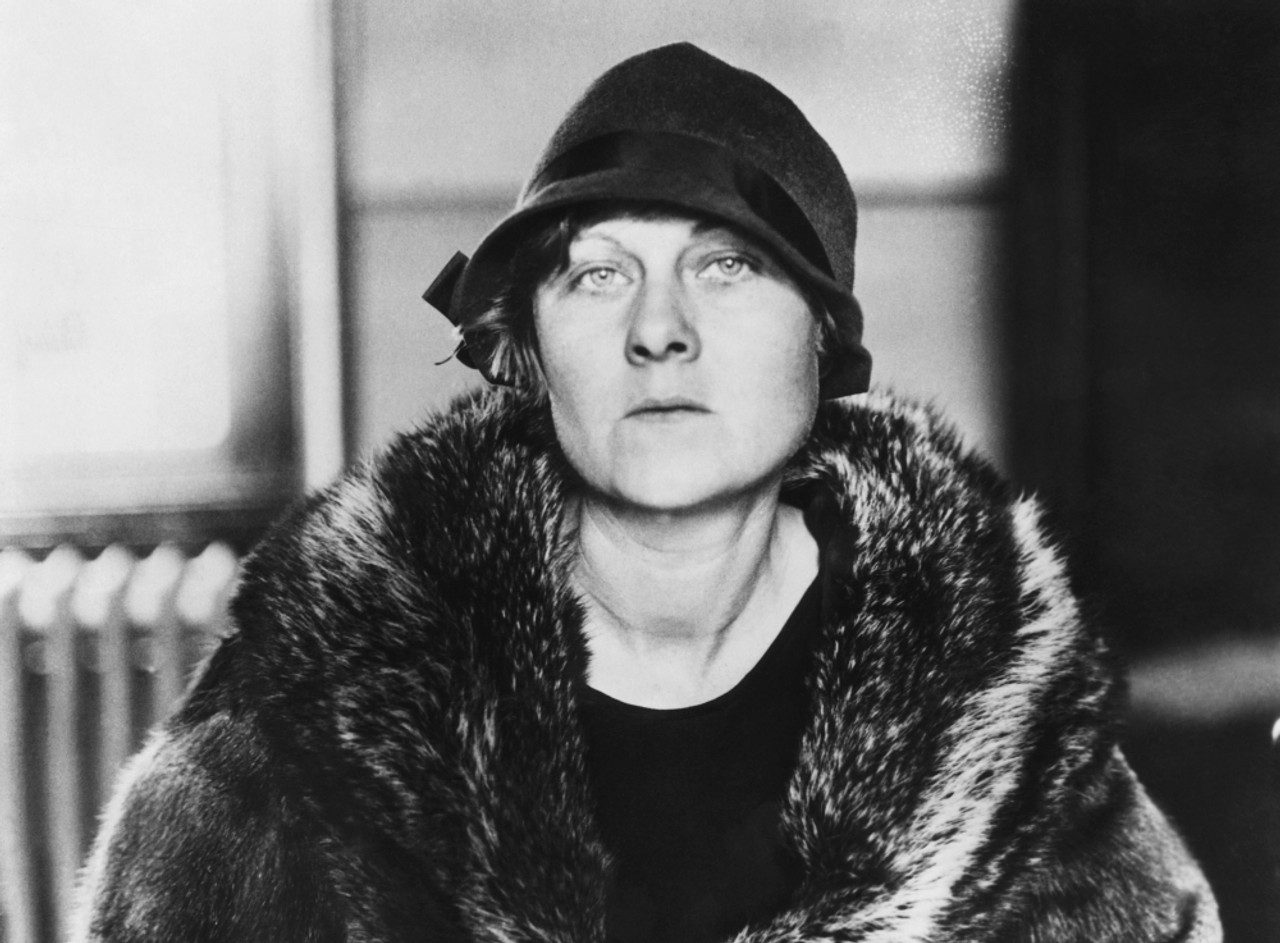
On January 12, 1928, Ruth Snyder became the second woman to be executed in the electric chair at Sing Sing prison, making her only the third woman to be executed in New York State. A Manhattan native, she gained infamy as her husband’s killer, with her final moments on the electric chair secretly photographed and published in newspapers, sparking public outrage.
It all began in 1915 when 20-year-old Ruth met 33-year-old Albert Snyder, an art editor. The couple settled in Queens, but their marriage was far from happy. Albert remained devoted to his former fiancée, who had died of pneumonia shortly before their wedding. Even living with Ruth, he openly mourned her, displayed her portrait in their home, and named a boat after her. He reportedly blamed Ruth for not bearing a son, demanded meticulous housekeeping, and allegedly subjected her to physical abuse.
In 1925, Ruth began a clandestine affair with Judd Gray, a married corset salesman. The two would meet while Albert was away or rent hotel rooms together. Desiring a life with her new lover, Ruth planned her husband’s murder. Gray initially refused to be part of the scheme, resorting to alcohol to cope with Ruth’s persistence. After at least seven failed attempts to kill Albert herself, Ruth finally convinced Gray. They devised a plan, and on the night of March 20, 1927, Judd entered an empty room in the Snyder home where Ruth had left all the tools for the murder. The pair strangled Albert with a wire, staged a robbery, and left items scattered around the room. Judd loosely tied Ruth’s hands and feet before leaving, allowing her to call for help.
Investigators found items that Ruth claimed had been stolen, casting doubt on her account. She also inadvertently implicated Judd, leading police to find him. In court, the former lovers blamed each other for the murder. Both were sentenced to death by electric chair.
The “Last Don”
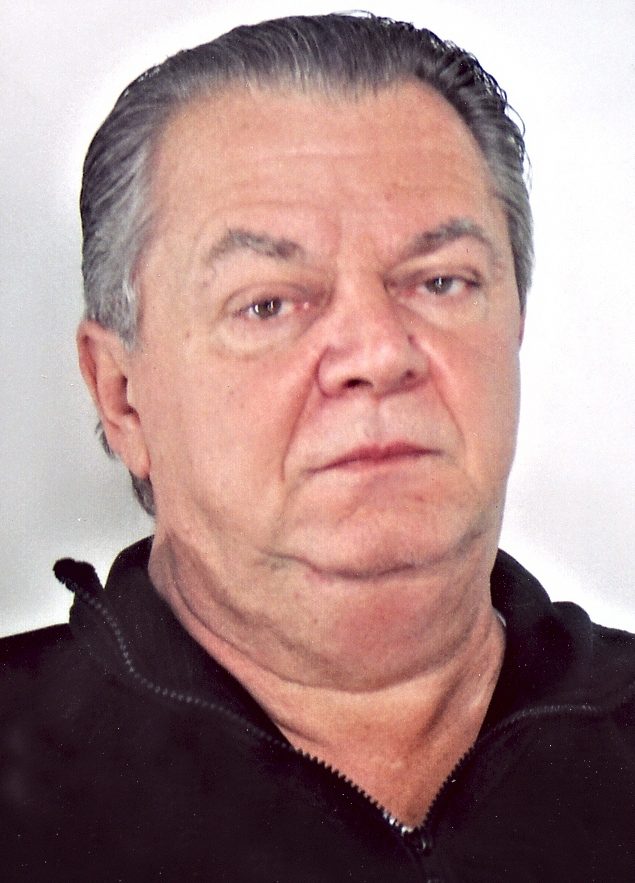
After all the leaders of his generation had been imprisoned, Joseph Massino rose to become the head of one of New York’s five crime families and an informant for the government. He was the only New York crime boss who had not served a lengthy prison sentence.
Massino grew up in Maspeth, Queens. Even in his youth, he engaged in petty crime, and by tenth grade, he left school and ran away to Florida. By the late 1960s, Massino had become a partner of the Bonanno crime family, possessing the intelligence, ruthlessness, and willingness to kill necessary for a successful mafia career. By 1977, he was officially part of the family, showing no mercy in eliminating competition.
In 1982, he was sentenced to 10 years for racketeering. However, he was released a year later on a two-year supervised release, during which he sought to restore the Bonanno family’s power. By the early 2000s, he was regarded as one of the country’s strongest mafia leaders. Massino invented a series of signals so his family members could communicate without attracting undercover agents’ suspicion. He installed a covert camera system for his crews and took numerous safety measures.
Time magazine dubbed Massino “The Last Don,” noting that he was the only New York mafia boss not behind bars. However, in 2005, Massino was sentenced to two consecutive life terms. Yet again, he avoided confinement by cooperating with the government, becoming the first Bonanno boss to inform on his own family. His cooperation allowed him to stay free while other leaders remained imprisoned.
The Boss Behind Bars
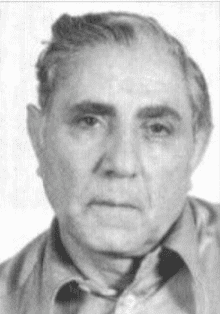
Philip “Rusty” Rastelli was less fortunate than Massino. The former head of the Bonanno family spent nearly his entire leadership tenure in prison, save for three years. He managed his operations through intermediaries, organizing robberies and eliminating competition from behind bars.
Rastelli was born and raised in Queens, engaging in loan sharking, extortion, and drug trafficking before joining the Bonanno family. In August 1973, he succeeded the late Bonanno boss, Natale Evola, becoming the first leader of the family to hail from Queens. Rastelli was sentenced to 10 years in 1976 and received an additional 12-year sentence in 1987. He was released in 1991 due to health issues and died from liver cancer at the age of 73. After his death, Joseph Massino succeeded him as head of the Bonanno family.