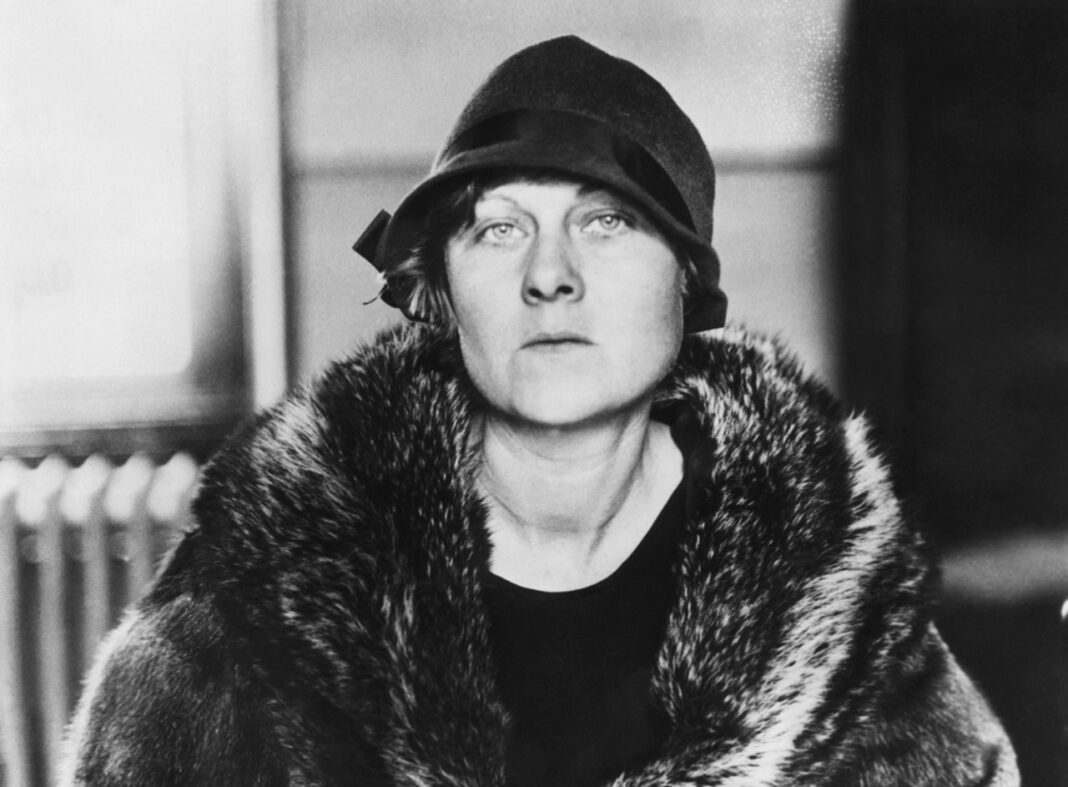

Ruth Snyder became notorious as the woman who murdered her husband. Her execution in the electric chair at a New York prison was captured in a photograph. This story inspired screenwriters and directors to create crime films. In the 1920s, crime became a popular genre in American books and magazines, and the murder in Queens became a central theme in many of them. Read more about this sensational crime story at queensyes.com.
Unhappy Marriage
May Ruth Brown (her maiden name) was born on March 27, 1895, in Manhattan. She came from a working-class family, and from a young age, she aspired to improve her circumstances. Around age 15, she had to leave school and took a job as a stenographer at a telephone company.
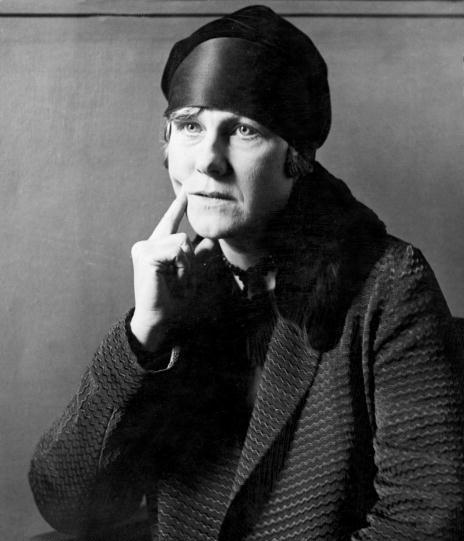
In 1915, 20-year-old Ruth met 33-year-old artist Albert Snyder. She accidentally dialed his number, and the two began talking and later dating. Friends described Ruth as lively and sociable, while Snyder was quiet, modest, and very domestic. Albert worked as the art editor for the magazine Motor Boating. Despite differences in personality and a significant age gap, the two married and settled in a home in Queens. In 1918, they welcomed their daughter Lorraine.
Before meeting Ruth, Albert had been in a romantic relationship with a woman named Jessie Guischard for 10 years. They were engaged, but she died of pneumonia shortly before the wedding. Rumor has it that Ruth grew to hate Albert after he decided to hang his late fiancée’s portrait in their home and even named a boat after her. Albert often spoke of his former love as “the best woman he’d ever met.” Additionally, Snyder allegedly resented Ruth for giving birth to a daughter instead of a son, demanded that she keep the house spotless, and subjected her to physical abuse.
A Secret Affair
In 1925, Ruth Snyder began an extramarital affair with Henry Judd Gray, a married corset salesman living in a New Jersey suburb. Thirty-two-year-old Ruth was a tall blonde with good looks and a dominant personality, while thirty-four-year-old Judd was her opposite. Nonetheless, a passionate affair ensued. They often met at the Snyder home while Albert was at work, and their daughter was at school. Sometimes, they would take the girl to a hotel, where she would wait in the lobby while her mother met with her lover.
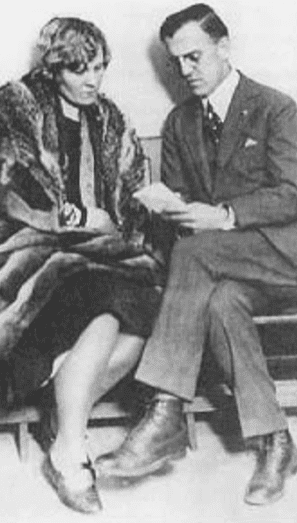
Yearning for a happy life with her new lover, Ruth began planning her husband’s murder. She tried to convince Judd that Albert mistreated her and did not deserve to live. Gray resisted, but Ruth persistently harassed him with hints, suggestions, and direct demands. Her persistence unnerved Judd so much that he began drinking.
The Brutal Murder
At one point, Ruth convinced Albert to take out a life insurance policy. She bribed the insurance agent, who forged the documents so that, in the event of Albert’s unexpected death, the insurance company would pay nearly $100,000. Ruth made at least seven attempts to kill Albert on her own, but each one failed.
On March 19, 1927, Judd, unable to bear the pressure from his lover, agreed to become her accomplice. Gray spent most of the day drinking, trying to summon the courage. When he arrived at the Snyder home, he circled around it for an hour, stopping under streetlights to take swigs from a flask. It seemed he wanted someone to notice him and arrest him for public drinking. Eventually, with no one noticing, he entered the Snyder home through the back door and hid in a spare room where Ruth had left all the tools for the murder.
At around 2:00 a.m. on March 20, the Snyder family returned from a party. Ruth had left the bedroom door slightly open. Together with Judd, they strangled poor Albert with a wire, then stuffed chloroform-soaked rags into his nostrils and beat him. They then went downstairs, had a drink, and discussed their next steps. The pair staged Albert’s death to look like a burglary. They overturned some chairs and loosely bound Ruth’s hands and feet. Minutes after Judd left, Ruth knocked on Lorraine’s door. The child rushed out and removed the gag from her mother’s mouth. Following her mother’s instructions, Lorraine ran to the neighbors to call the police.
Investigation and Execution
Detectives found few signs of forced entry by a burglar. Moreover, Ruth’s behavior didn’t match her story of witnessing her husband’s violent murder. Police also found items in the house that Ruth claimed the burglar had stolen. Suspicion mounted when a detective found a note with the initials “J.G.” on it. A confused Ruth said the initials stood for Judd Gray and asked what he had to do with the murder. In reality, the initials represented Jessie Guischard, a memento Albert had kept. The police immediately sensed something suspicious and tracked down Judd Gray in Syracuse, New York. After questioning him, they arrested and brought him to Queens.
When the case went to trial, the former lovers blamed each other for the fatal act. Both defendants had separate attorneys. Ruth appeared in court as a wronged wife who had been deprived of her husband’s love. She complained that Albert didn’t spend time with her, except for occasional movie outings. She also claimed that Judd forced her to take out an insurance policy on her husband. Meanwhile, Judd’s lawyer argued that his client was a law-abiding citizen tricked by Ruth.
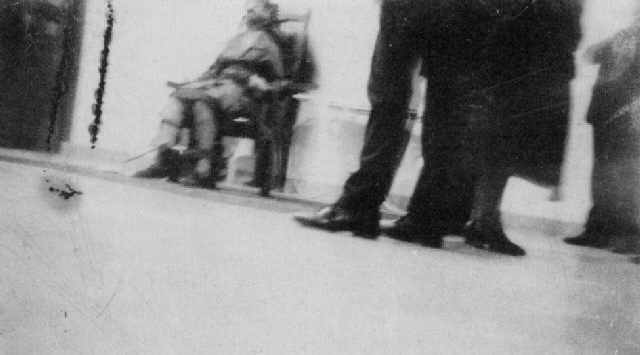
Both Ruth and Judd were sentenced to death. On January 12, 1928, Snyder became the second woman to be executed in the electric chair at Sing Sing Correctional Facility and the third woman executed in New York State. The moment of her electrocution was secretly photographed as electricity surged through her body with a miniature plate camera strapped to a photographer’s ankle. The image was published in newspapers to warn the public of the possible consequences of crime and to advocate for the abolition of the death penalty.
(In)Humane Method
Initially, it was thought that the electric chair caused death by damaging the brain, but in 1899, scientists discovered that death resulted from ventricular fibrillation, followed by complete cardiac arrest. The method was proposed in 1881 by dentist Alfred P. Southwick from Buffalo, New York, as a humane alternative to the common executions of the time, such as hanging. The idea arose after George Smith, an intoxicated dock worker, broke into a power company transformer room on August 7, 1881. For amusement, he grabbed the generator contacts and was instantly killed. A pathologist’s report noted the quick death and lack of significant injuries on Smith’s body. Alfred P. Southwick, along with two medical colleagues, spent several years testing this form of execution on stray animals. The electric chair itself was invented by American Thomas Edison.
The use of the electric chair declined with the introduction of lethal injection, considered more humane. As of 2024, the electric chair is still used for executions in Alabama, South Carolina, Florida, Arkansas, Kentucky, and Tennessee.