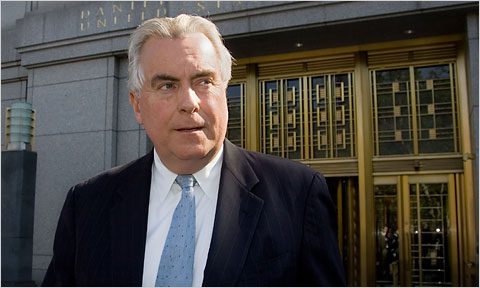

Brian M. McLaughlin is a Democrat politician who became one of the most influential union leaders in the state of New York. In 2009, he was sent to prison because of a corruption scandal. Read more about it at queensyes.com.
Childhood and youth
The politician was born in Manhattan and grew up in Queens. When Brian was 10, his family moved to Long Island. His father and grandfather were electricians and trade union activists. His mother worked in department stores. All members of the family did not have higher education. Brian studied at Bridgeport University but did not finish it.
Working as an electrician
While working as an electrician, McLaughlin joined the International Brotherhood of Electrical Workers and became a member of the trade union. At one of the union meetings, he met labor leader H. Van Arsdale, Jr, who convinced Brian to get a degree. He received a bachelor’s degree from the Empire State College and a Master’s in industrial labor relations from the NYIT.
Van Arsdale became Brian’s mentor and helped him to learn about labor and electoral politics. In 1981, Arsdale assigned his protégé to organize a parade for Labor Day in the city. It was the first parade in a decade!
Political career
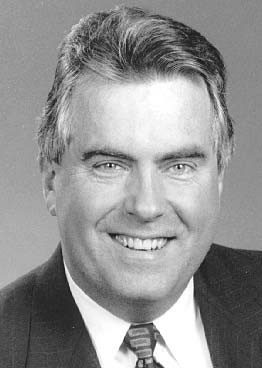
In 1992, McLaughlin represented the 25th District (East Queens) in the New York State Assembly, which is the lower house of the New York State Legislature. The upper house is the Senate. The Assembly consists of 150 members who are elected for two years with no term limits.
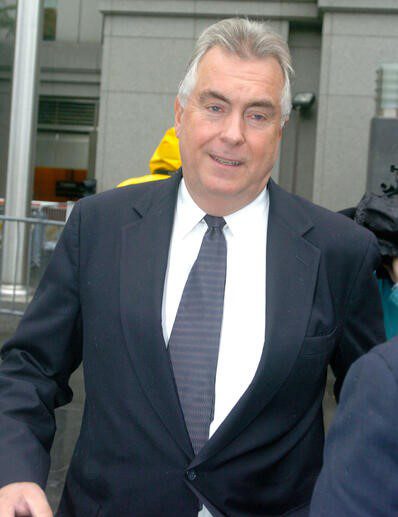
McLaughlin admitted in numerous interviews that he got into politics by accident. He did not have any particular interest in state affairs. However, later, he appreciated the chance to improve the lives of voters.
While serving in the Assembly, McLaughlin was the head of the Democratic Conference and a member of the Ways and Means Committee. He allocated a significant amount of funds from the state budget for sports needs. For example, in 2002, one of the athletic associations in Flushing received $4,000 for uniforms, equipment and facilities. In the opinion of the legislature, kids are less likely to do drugs or get into trouble if they play sports.
In general, the politician drafted more than 40 new laws for the state that strengthened criminal responsibility, improved the standard of life in neighborhoods and increased access to health care in New York. He also drafted a bill aimed at preventing occupational accidents.
Leader of the labor movement
Despite some achievements in politics, Brian was remembered by the public not as a successful legislator but as a labor union leader. In 1995, he became president of the New York City Central Labor Council (NYCCLC). This is a non-profit membership organization that promotes and protects the interests of workers in NY.
As the largest regional labor federation in the country (as of early 2024), the NYCCLC brings together city unions that represent workers in various fields, including teachers, truck drivers, operator engineers, nurses, constructors, electricians, firefighters, retail workers, janitors, train operators, bakers and more.
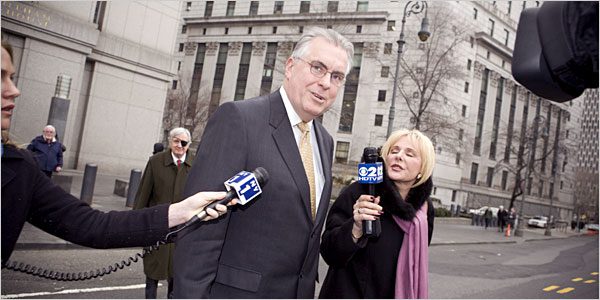
McLaughlin dedicated over 20 years to the labor movement in New York. He led numerous worker strikes and rallies. For example, on October 4, 2003, he spearheaded a rally in Flushing Meadows Park attended by about 100,000 immigrants and their supporters. As the head of the NY organization Immigrant Workers Freedom Ride, he advocated for the rights of undocumented workers. The organization was engaged in fighting for such rights of immigrants as access to citizenship, family reunification, voting rights and decent working conditions. Furthermore, McLaughlin held a rally of union activists representing different professions. Its objective was to stop the anti-labor policies conducted by the G. Bush administration.
Brian often emphasized the importance of education in the labor movement. Only an educated and active working class is able to notice and speak out about problems. That is why he wanted each local union to become a respected educational center.
Collaborating with New York law enforcement representatives, the chair of the NYCCLC ensured compliance with occupational safety and health rules by all employers in the city. He proposed criminal liability for dishonest employers.
From 1999, he was in charge of the Labor in the Pulpits program. Under this program, union trade members spoke to congregations. The program aimed to highlight the connection between work and religion. McLaughlin also belonged to a coalition that called on the Lower Manhattan Development Corporation to allocate $1 billion from the federal funding to help unemployed New Yorkers.
These funds were intended specifically for those who lost their jobs as a result of the September 11, 2001, terrorist attack.
McLaughlin backed several major economic projects in New York that provided good jobs and profitable activities, such as the expansion of the Javits Center and the development of the New York City Sports Stadium. The labor leader opposed the opening of the Walmart stores in NY due to low work standards, unfair wages, insufficient medical benefits and abusive treatment toward staff. Moreover, with input from Brian, the New York City Council passed a law binding retail and grocery stores to provide proper medical care for their employees.
Trial and imprisonment
In October 2006, the union leader was charged with 44 federal counts, covering extortion, money laundering, fraud, bribery and more. McLaughlin was accused of stealing from almost all the organizations he was involved with. The law enforcement officials were shocked by the scale of his crimes.
According to court estimates, Brian stole over $2.2 million from the state, unions, a political club and other organizations. It was discovered that the corrupt politician used his subordinates as personal servants. Taking advantage of his status and authority, he asked them to take his dog to the vet, catch rodents in his basement, clean his barn, etc.
The politician used money from the campaign budget to cover personal expenses that included a rehearsal dinner for his son’s wedding, home repairs, paying for a country club, purchasing a TV for his girlfriend and more. With the stolen money, he bought a car for his wife and paid for education for one of his sons.
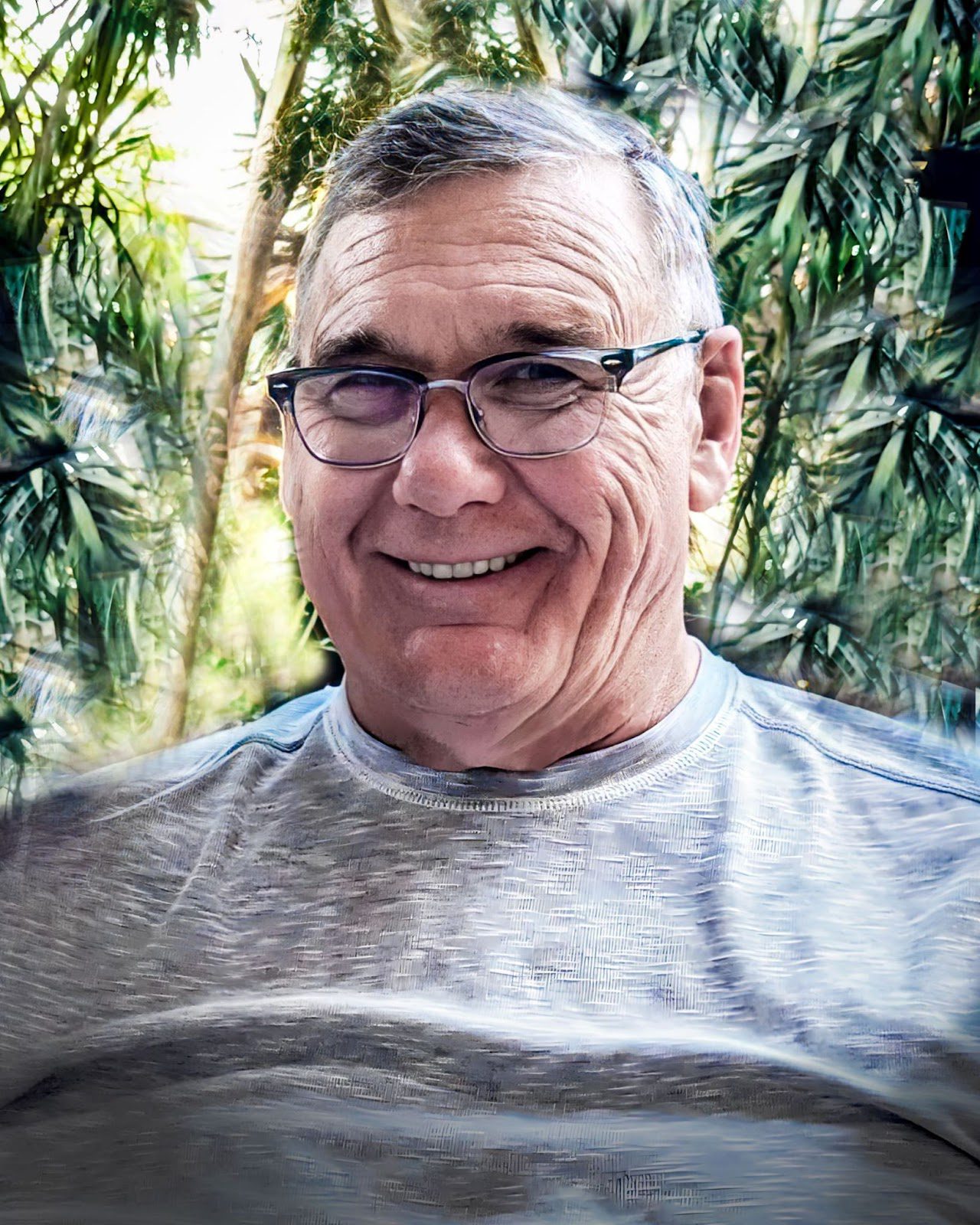
After his arrest, McLaughlin refused to run for re-election and left office at the end of 2006. In March 2008, the New Yorker pleaded guilty to extortion and embezzlement in exchange for a possible mitigation of a sentence. In May 2009, he was sentenced to 10 years in prison and ordered to pay a $25,000 fine. In August 2011, the criminal promised to return the stolen $845,000, but it did not happen.