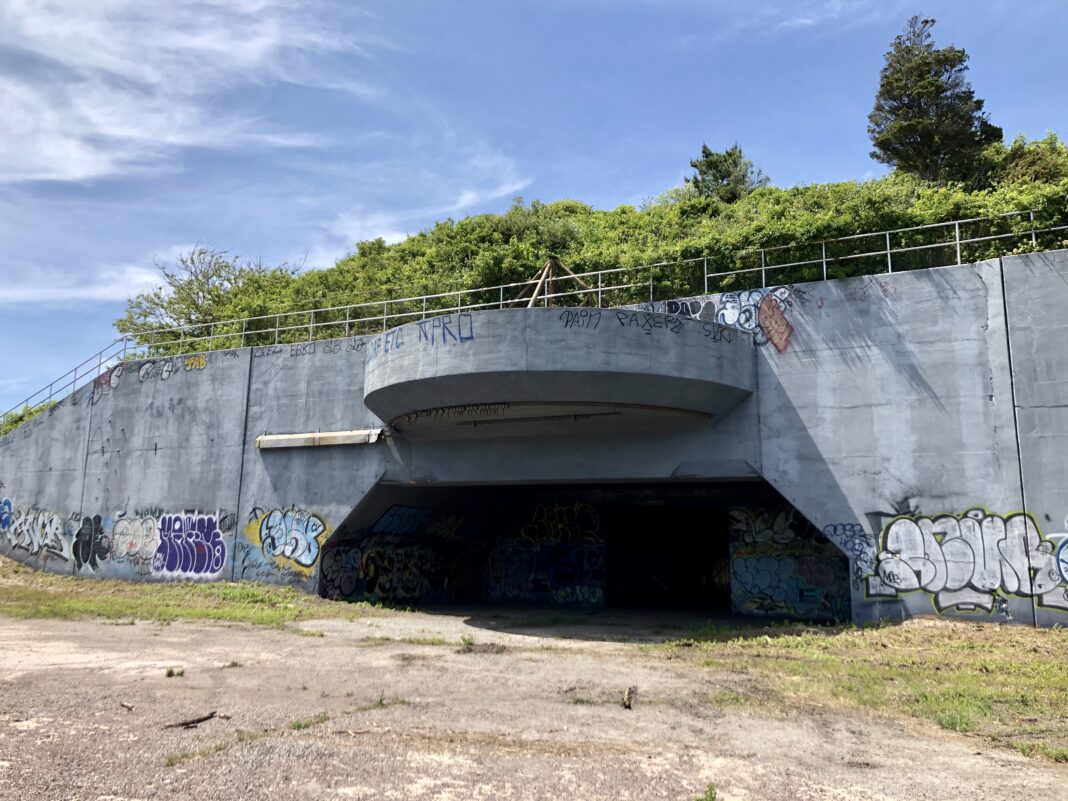

Fort Tilden is a former military base located on the Atlantic coast in Queens. The fort is listed on the National Register of Historic Places. It houses the ruins of an American defense system and serves as a recreation area. Read more about the hidden relic of the past on queensyes.com.
Built to protect the city
The Rockaway Peninsula has for many years represented an ideal location for coastal and anti-aircraft defenses to military planners. It is located between New York and the Atlantic Ocean. During the War of 1812, the first fortifications with a cannon on top appeared here. They were not permanent and the area remained a maritime marshland with dunes and beaches for most of the 19th century.
In 1917, Fort Tilden was built here to protect New York from the threat of World War I. The military base served as New York’s first line of defense against German submarines and the Russian fleet. The ground was hard enough to support a strong fire but the dunes were too mobile. Thus, a concrete base was necessary under the heavy gun towers and fortifications.
The construction of the premises was entrusted to a garrison of 4 officers and 130 men. This appointment was similar to the difficult working conditions in Siberia. The place was located far from the workers’ homes, bad roads led to the area and it was difficult to get supplies. The men worked in the dead of winter. They built officers’ houses, barracks, dining rooms, toilets, a hospital, stables, barns, roads, etc. Since they were not professional builders, many structures turned out to be of poor quality and unsuitable for bad weather. Most of them had to be rebuilt.
The fort was named after Samuel J. Tilden, a soldier and governor of New York. Conditions at the fort were far from ideal. Shifting sands posed a huge problem in almost every aspect of construction and operation. A pipe was laid for the supply of drinking water from the nearby town of Roxbury. However, the quality of the water was not sufficient.
Roads had to be constantly repaired because of the sand. At first, the entire installation was lit by kerosene lamps, since the electric lines did not extend that far. This turned out to be very inefficient, so over time, the power lines had to be laid on poles near the fort.
Two World Wars and the Cold War
The fort was a complex system of ammunition storage, railroad tracks and pillboxes for the soldiers. The center of the facility contained two giant artillery batteries, created from reinforced concrete. These batteries housed huge cannons capable of firing 30 miles into the sea. They were placed in such a way that in the case of enemy invasion, the artillery could not be deployed for the task of destroying New York.
After the end of World War I, hasty attempts to rebuild the fort came to an abrupt end. In 1922, the city asked the Army to donate part of the fort’s square footage to be added to a nearby city park. However, the Army refused. Subsequently, the number of weapons and fortifications in the fort increased significantly. However, the largest guns required constant maintenance due to the sand that got into everything and ruined the work.
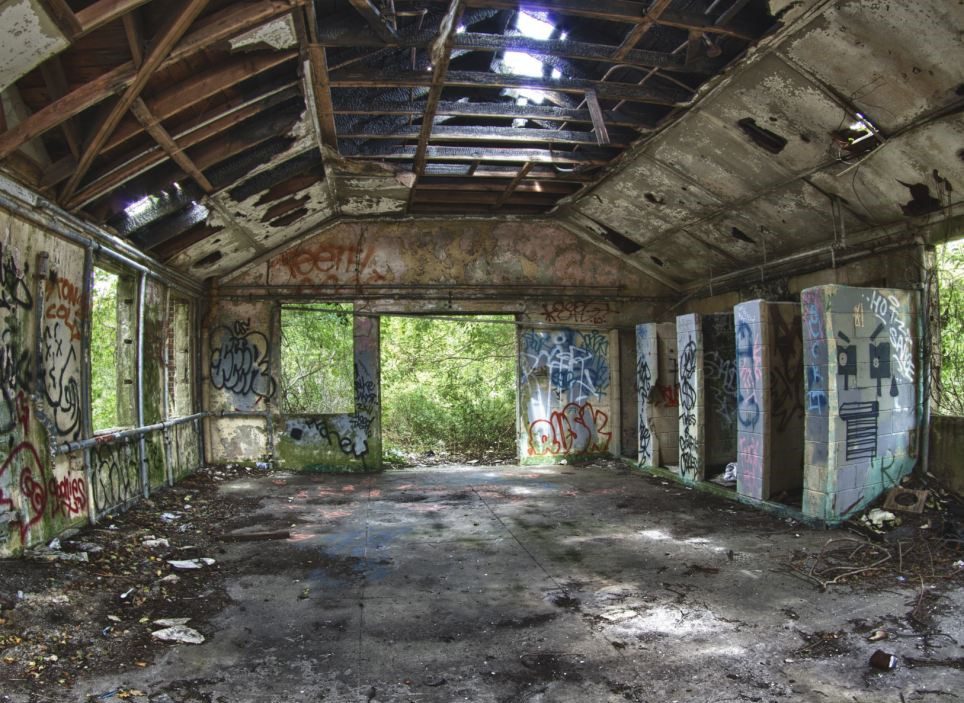
By the end of the 1920s, the general condition of the fort was dire. The military embarked on an ambitious plan to plant beach grass to try to control the sand. However, their efforts turned out to be insufficient. Nature won this battle.
When the Army decided to make Fort Tilden a permanent defense facility, the wooden buildings were torn down. Instead, first-class facilities were built. The works were completed before World War II. After the start of the Cold War, Fort Tilden hosted the Nike-Ajax and Nike-Hercules missiles, each capable of delivering a destructive force twice that of the Hiroshima bomb. They were stored underground at the launch site in the western part of the site. Now, it is impossible to get there because of the huge fence and dense vegetation.
In 1972, the base was decommissioned. Dunes and dense thickets have taken over abandoned buildings. The railroad tracks that once transported the shells have rusted. The concrete launch pads for the missiles have become overgrown with weeds.
Recreational area
In 1974, the site was purchased by the National Park Service to provide citizens with recreation. No historical education was planned here. With its dense network of walkways and giant concrete monoliths, the Fort looks more like a scene from the sci-fi movie Planet of the Apes than a military base. The abandoned object is now a quiet public space.
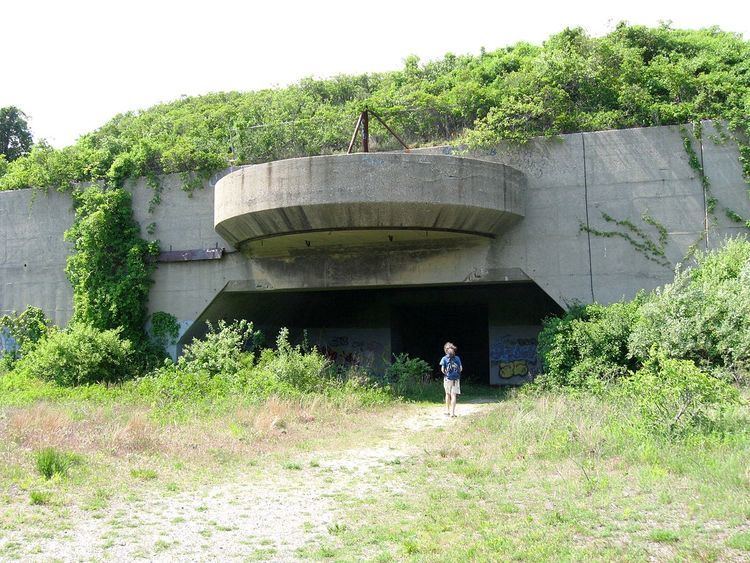
The main attractions here are Battery Harris West and Battery Harris East. They rise like ghosts from the plants along the main road through the area. These batteries once defended New York with twin 16-inch guns.
Here, one will come across dunes, a forest on the coast, freshwater ponds and a Project Nike missile site. It was a project of the US Army, which focused on creating a line-of-sight anti-aircraft missile system.
Fort Tilden is also a good place for rare birds, including piping plovers, American oystercatchers and terns. Pipings’ eggs are so well camouflaged on the shore that they are easy to step on. During the nesting season, the public beach areas are fenced and supervised.
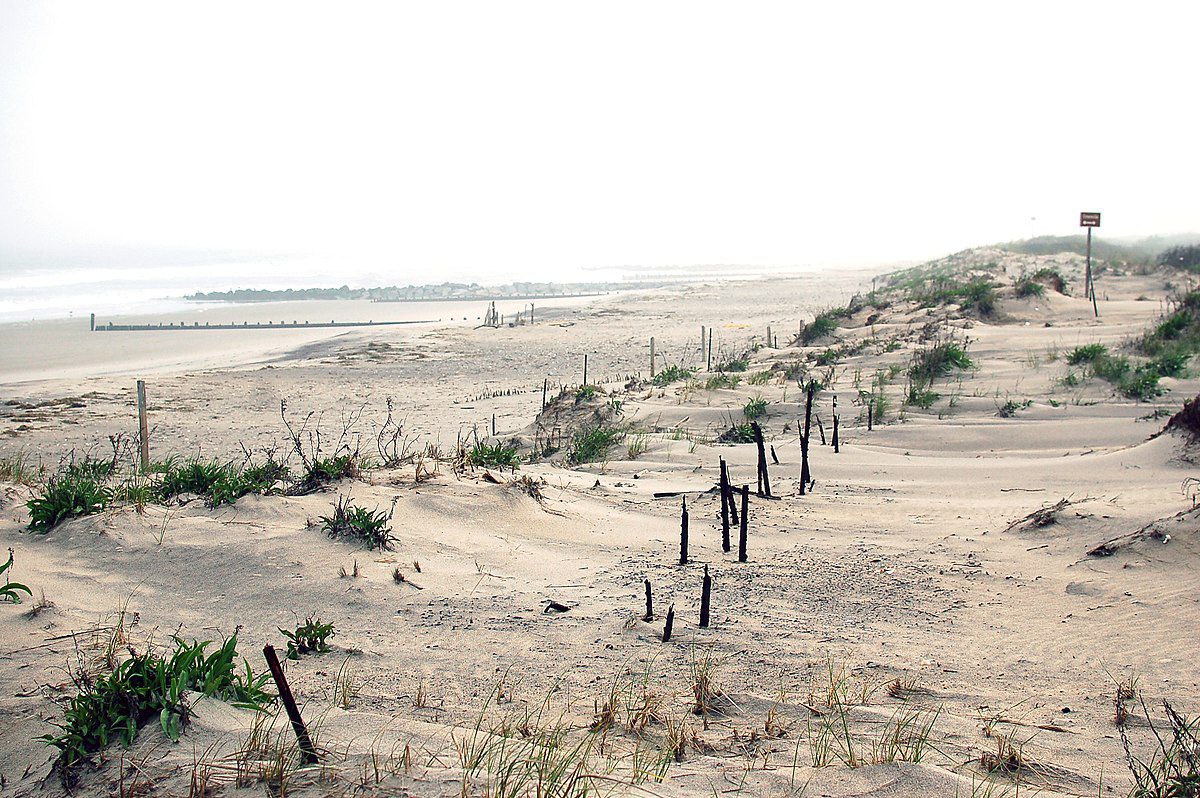
Native meadows store carbon underground like in prairies. Volunteers periodically plant some near the fort and Jamaica Bay. They also thoroughly clean the space from garbage, a large part of which comes from the ocean. At Floyd Bennett Field, you’ll find a nursery for growing native beach grass. It is needed to stabilize the dunes along the coastline of the Rockaway Peninsula, helping to mitigate the effects of storms and avoid significant sea level rise.
As for the remnants of the wartime, a part of the bunker for ammunition from World War II may be of interest. Battery Harris is a former weapons arsenal with nuclear warheads. An abandoned mechanical workshop of large-scale military equipment provides a shelter for nesting birds and resting for animals.
One can approach the water but there are no lifeguards here. Visitors are asked not to swim due to dangerous tides. There are no bathrooms, canteens or other facilities. Fishing permits are available at the visitor center.
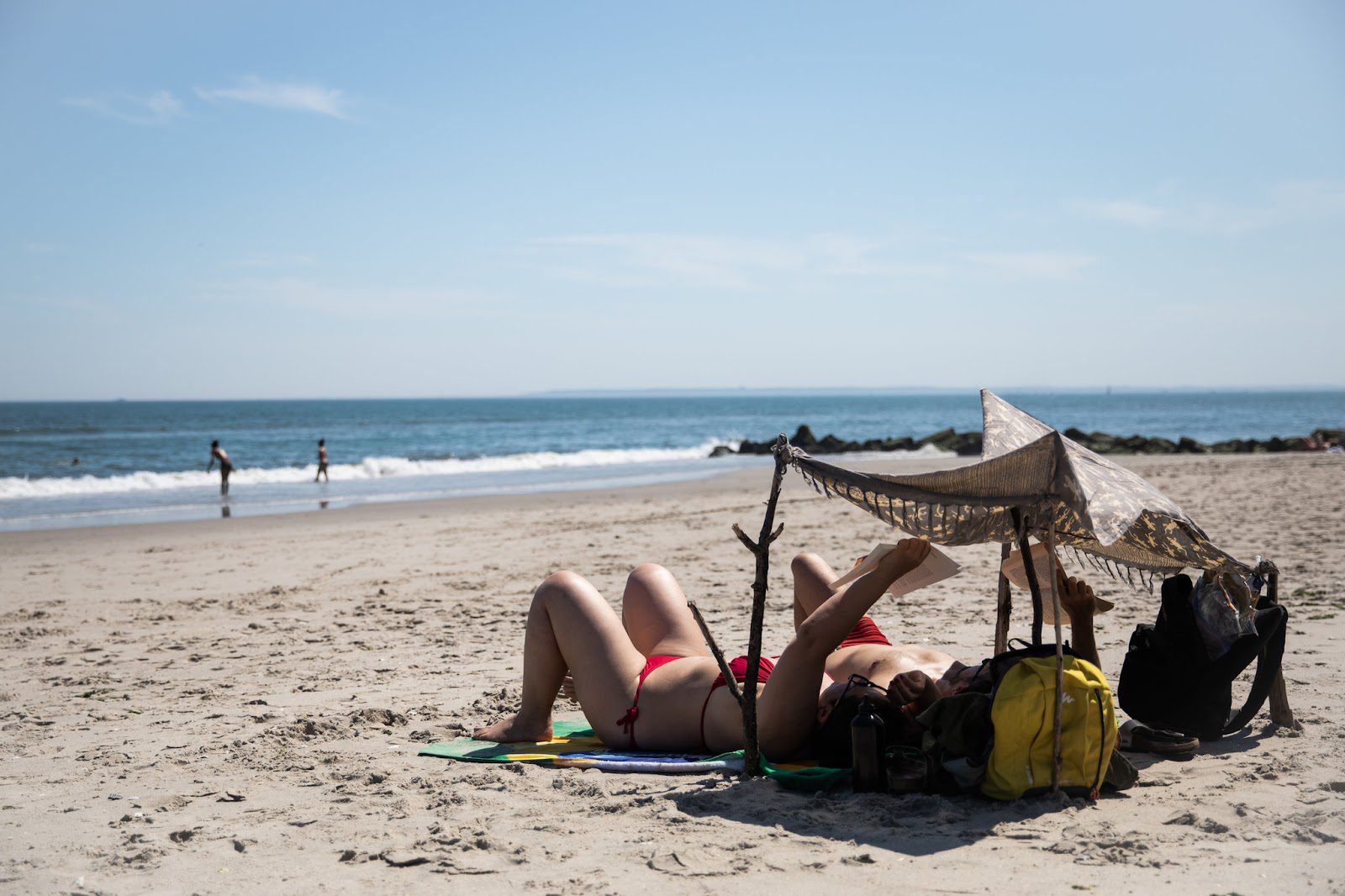
Although there are many hiking trails, the ideal way to get around Fort Tilden is by bike, which can handle rough terrain and dirt roads. When the weather is nice, you’ll see plenty of bikers, ornithologists (scientists who study birds) and beachcombers.
Community center
Fort Tilden also serves as a useful place for the Rockaway community. The northeastern part, where military buildings and other facilities were once located, is much better maintained than the old weapons storage sites to the west. There are several football and baseball fields where the Rockaway Little League plays.
In addition, people are drawn to the public garden and the old fort buildings, which now house the Rockaway Artists Alliance, the Rockaway Theatre Company and several private residences. You’ll also find an observatory on the historic Battery, which offers great views of Jamaica Bay, New York Harbor and the Manhattan skyline.