
A rare relic of New York’s past is located on the northeastern outskirts of Queens. Not many locals are aware of its existence. Fort Totten is an abandoned fort, although an army reserve is still stationed here. Nearly 100 acres of this land were used as a federal military base from the Civil War until the 1980s. The object belongs to the City of New York. The fort is open to visitors and serves as a popular tourist location. Read more about it on queensyes.com.
Designed to protect the East River
Fort Totten was originally called the Fort at Willets Point. The government bought the land from the Willets family in 1857 for $115,000. This was a large sum at that time! The original aim of the structures was to protect the channel of the East River. The fort became an element of the system of embankment defenses around the harbor of New York.
The original project was developed by Robert E. Lee in 1857, four years before the start of the American Civil War. The war lasted from 1861 to 1865 between the northern states of the United States and the 11 Confederate states of the South, which seceded and rebelled due to economic and political differences. The Civil War prompted New York to use the fort to defend against the Confederate Army.
Later, the design of the fort was changed by the engineer and General Joseph G. Totten. The object was named after him in 1898. The fort could accommodate 68 defensive guns. After the war, brick buildings were already considered obsolete and construction stopped.
Two world wars and the following years
After the United States entered World War I, the country’s coastal defenses were modernized. An attack by German ships on the East River was unlikely, so the fort became a mobilization and training center. In 1935, the last heavy armament of Fort Totten was removed and the defenses of the harbor of eastern New York were deactivated. In December 1941, the headquarters of the anti-aircraft unit of the American defense was located in the fort.
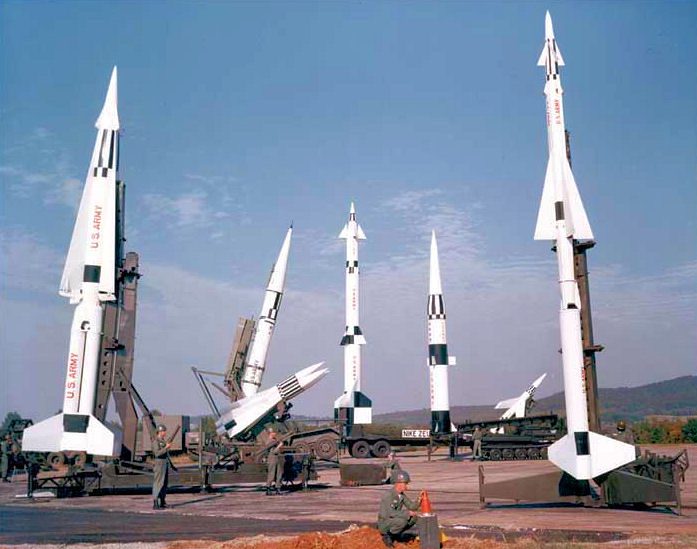
In 1954, Project Nike operated here. It was a US Army project focused on the creation of a line-of-sight anti-aircraft missile system. Later, the fort housed the US Army’s 1st Region, Army Air Defense Command and the headquarters of the 66th Anti-Aircraft Missile Battalion and the 41st AAA Gun Battalion.
Since the 1980s, Fort Totten has been used by the NY City Fire Department, St. John’s University, the Bayside Historical Society, Queens Theater in the Park and more. Part of the square is still reserved for the Army and Coast Guard. In June 2001, plans were proposed to restore the restaurant, snack bar, boardwalk, swimming pool, soccer fields, recreation areas and additional visitor parking.
Public park
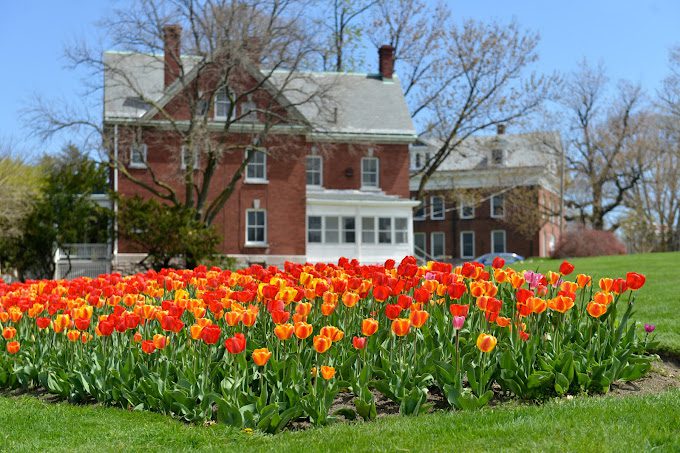
In the 21st century, Fort Totten is home to some U.S. Army Reserve brigades but most of the installation is a public park that offers tours. Among the interesting sights are buildings from the Cold War era. These include a cinema, a former officer’s house, a laboratory and a hospital. Most of the buildings from the time of the Civil War stand in ruins, creating an eerie feeling of frozen time. There is also the Greenway area for cyclists and pedestrians only.
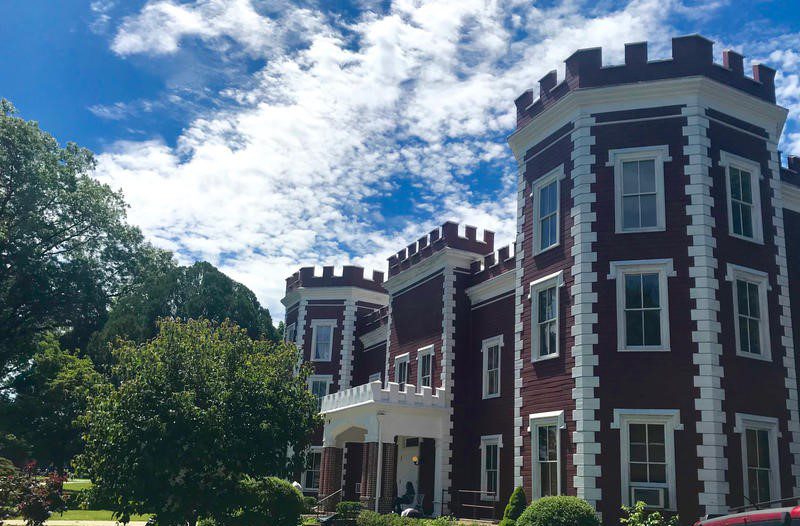
One large neo-Gothic brick building stands out among the others. It is called the Castle due to its appearance. The building was created in 1887 for use by the US Army Corps of Engineers as an officers’ club. It has polygonal three-story towers and a wooden parapet surrounding the roof line. In 1986, the Castle was placed on the National Register of Historic Places. Performances, lectures, social gatherings and family programs attract visitors to the Castle and foster respect for the historical and cultural resources of New York.
Nine secrets of the fort
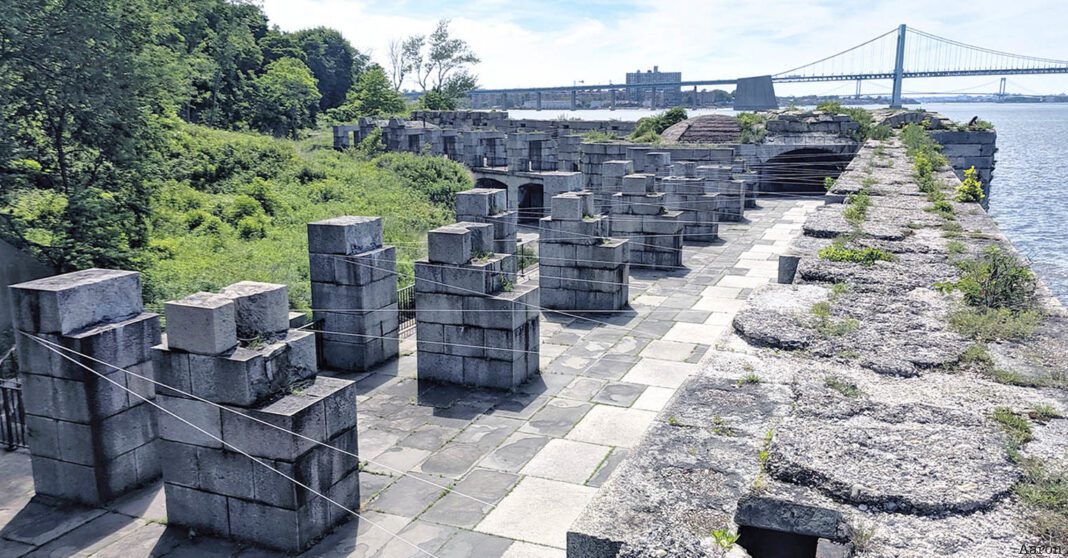
- The former military life on the territory of the fort is reminded by the remains of the object and artillery batteries of the beginning of the 20th century, which housed several guns. The most iconic is the Water Battery. The batteries of that time were made of blue stone and granite. Traditionally, hard and durable stones were used but they still could not withstand the new military technologies.
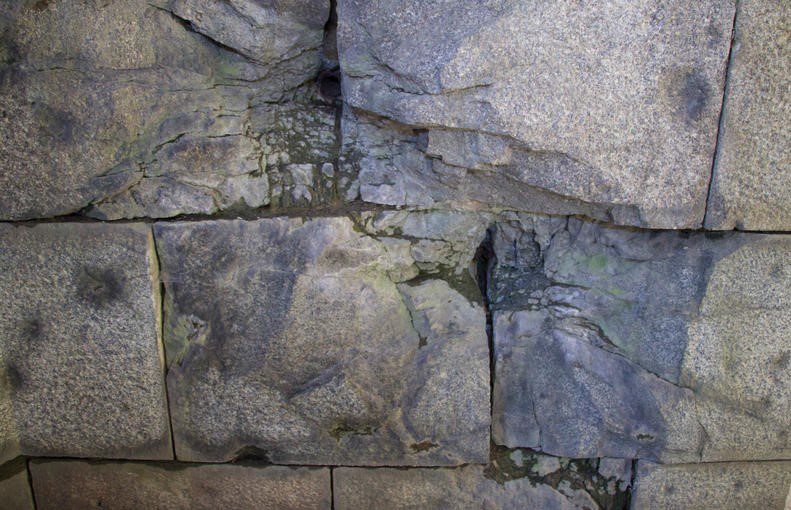
- One may come across traces of rifled artillery. Two artillery units from trial firings, which once proved the fort to be obsolete, were stuck in one of the walls. When shots rang out and the damage was severe, construction on the site was stopped. It is interesting that there is a cut for giving the projectile (bullet) rotational movement, ensuring stability in the air, increasing the range and cluster firing in the channel of such artillery installations.
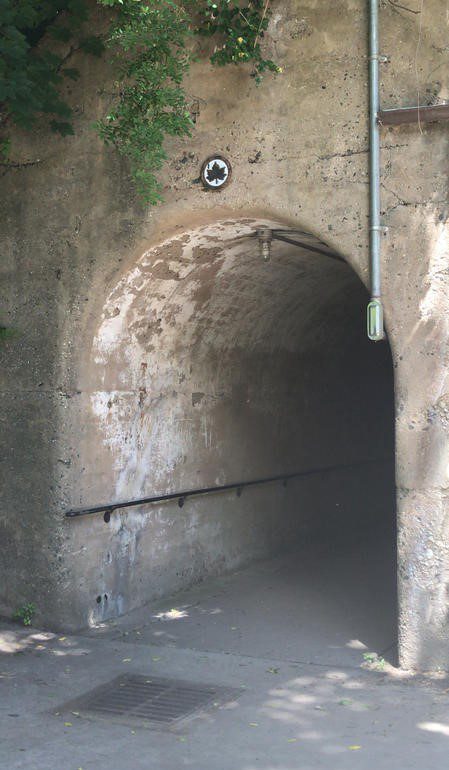
- The Fort Totten tunnel is New York’s first car tunnel. It was built in 1870. A graffiti-covered tunnel leads to the Water Battery from the visitor center. It was once used to transport ammunition to storage facilities.
- There was no battle here. Even though from the 1860s to the early 1900s, Fort Totten was fully prepared for defense, there were no battles in it. Apart from test firings, not a single rocket or cannon was ever fired from the fort.
- There is a myth about a secret tunnel. Fort Totten and Fort Schuyler face each other across the East River, which gave rise to the myth of the secret tunnel. Over the decades, many have tried to find a passage. However, nothing connects these two forts. Once, there was only a defensive net of torpedoes submerged in the river.
- Electrically controlled torpedoes were developed here. Thomas Edison worked on the project. The fort served as a place for the development of military equipment. After the unsuccessful multi-year construction of the Water Battery, the military began to develop new technologies, including torpedoes with electric guidance. Thomas Edison developed an electrically controlled torpedo that could be maneuvered over long distances. The proof is the torpedo battery built into the hill, which was created in 1886. A torpedo laboratory was opened in the same year.
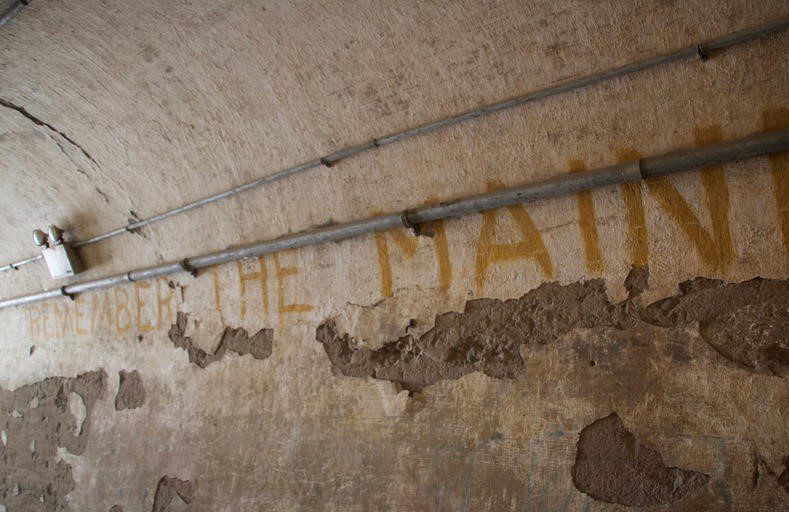
- The Fort contains some of New York’s oldest graffiti. As was already mentioned, the car tunnel is decorated with numerous graffiti. Most of them were engraved on the wall back in the 19th and 20th centuries. Among the scrawled on the wall is a large yellow proclamation, ‘Remember the Maine’. The USS Maine is an American naval ship that sank off the coast of the harbor in 1898.
- The Castle houses the office of the Bayside Historical Society. It was founded in 1964 to collect, preserve and disseminate information about the history of this area. The Society moved to the Castle in 1984. The space is used as a place for learning, a resource for researchers and the community and for the visual and performing arts. Learn more about the immigrant experience in Bayside and Queens through histories, cultural celebrations, dance and music performances and a selection of student work.
- Fort Totten is a popular filming location. Since this place combines historical and abandoned buildings, it often attracts filmmakers. The unique territory appeared in such series as Daredevil, Gotham, Elementary, Extremely Dangerous, The Blacklist and The Americans. The fort was also the location of the Iron Throne for the last season of Game of Thrones.