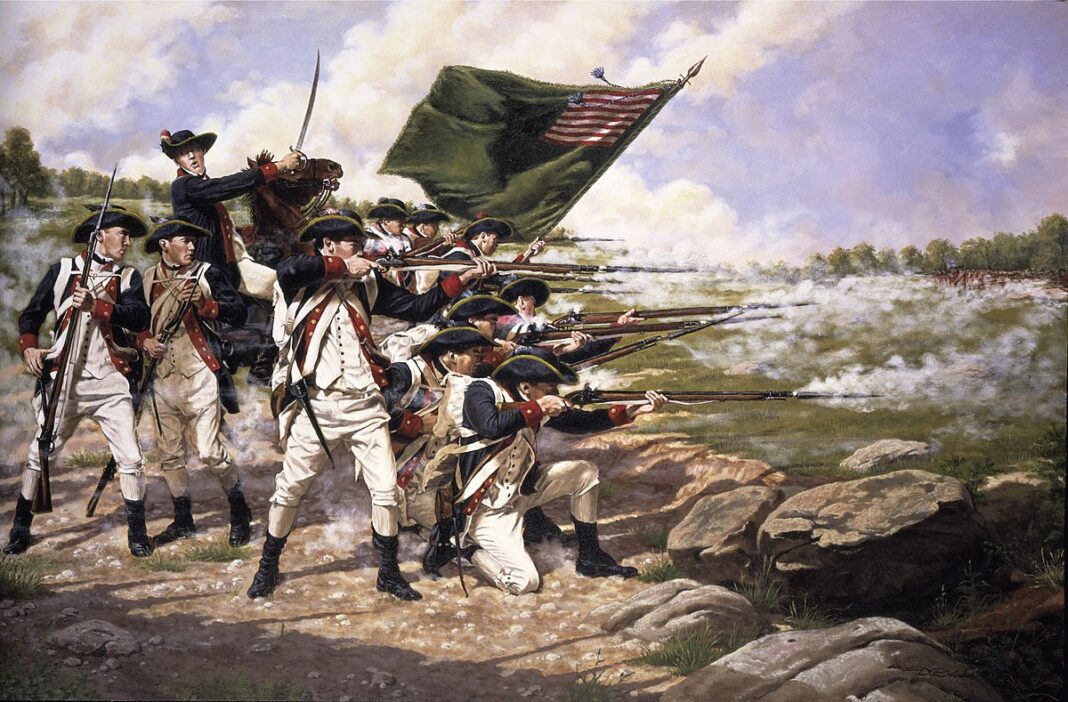

The Battle of Long Island happened on August 27-29, 1776 and was considered the largest during the war for Independence. Two of the five boroughs of New York, Queens and Brooklyn, are now part of this territory. This battle was the first such big event after the Independence of the US was announced. The British started this campaign to take control of New York. Despite the defeat of the US army, this fateful event laid the foundation for their future political and military victories. Read more on queensyes.com.
Brief facts about the war
During 1775–1783, there was a rebellion, as a result of which 13 North American colonies gained political independence and created the US. The events took place in North America, the Caribbean and the Atlantic Ocean.
By early 1778, it was a civil war in the British Empire. In 1778, the conflict gained international status, as France supported the colonies. Spain did the same a year later. At the same time, the Netherlands was waging its war against Britain. The country officially recognized the United States and provided them with financial support.
The defining battle
The British left Boston on March 17, 1776. General Washington assumed that they were aimed at New York, America’s most valuable port. During the following month, the general had sent 19,000 soldiers to Lower Manhattan and had built forts nearby.
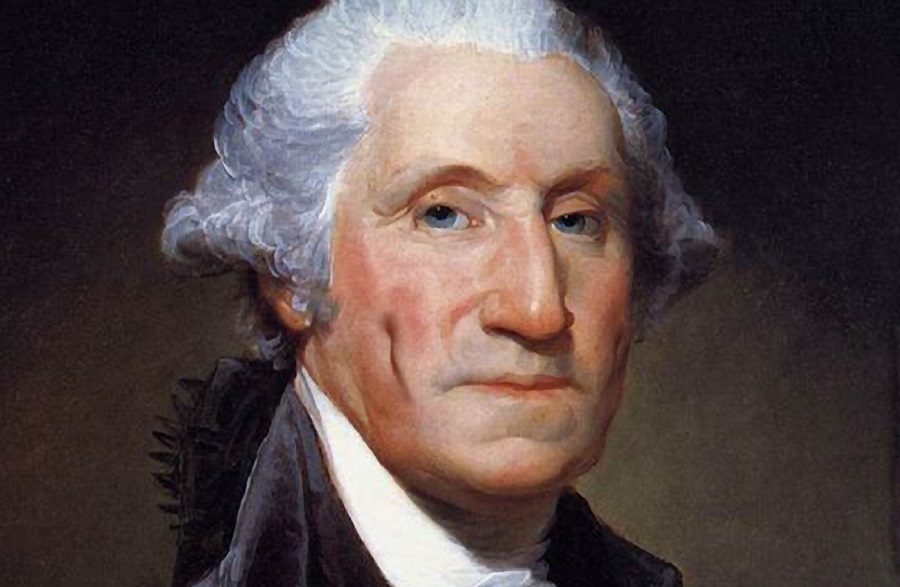
During June, he waited for the arrival of the enemy. At the beginning of the next month, 400 ships of the opponents came to Staten Island and set up camp. The British sent people to negotiate with the general. They offered him a pardon from the king if he surrendered but he refused. Instead, Washington sent additional troops to Brooklyn. He predicted that the enemy would appear there.
On August 22, the British began landing troops on Long Island. Their opponents remained in defense and waited for the assault. The enemy took the first step under the cover of darkness on the night of August 26. They left their tents pitched and did not extinguish the fire so that Americans would not suspect anything. By morning, the British army was ready to attack. The Americans had 3,000 soldiers stationed to hold the four-mile ridge outside Brooklyn and another 6,000 inside.
When the dawn came, the British began to fire. The battle began this day in the southwestern part of the island. Americans were led by Washington, Putnam, Alexander and Sullivan. General William Howe was the commander of the British.
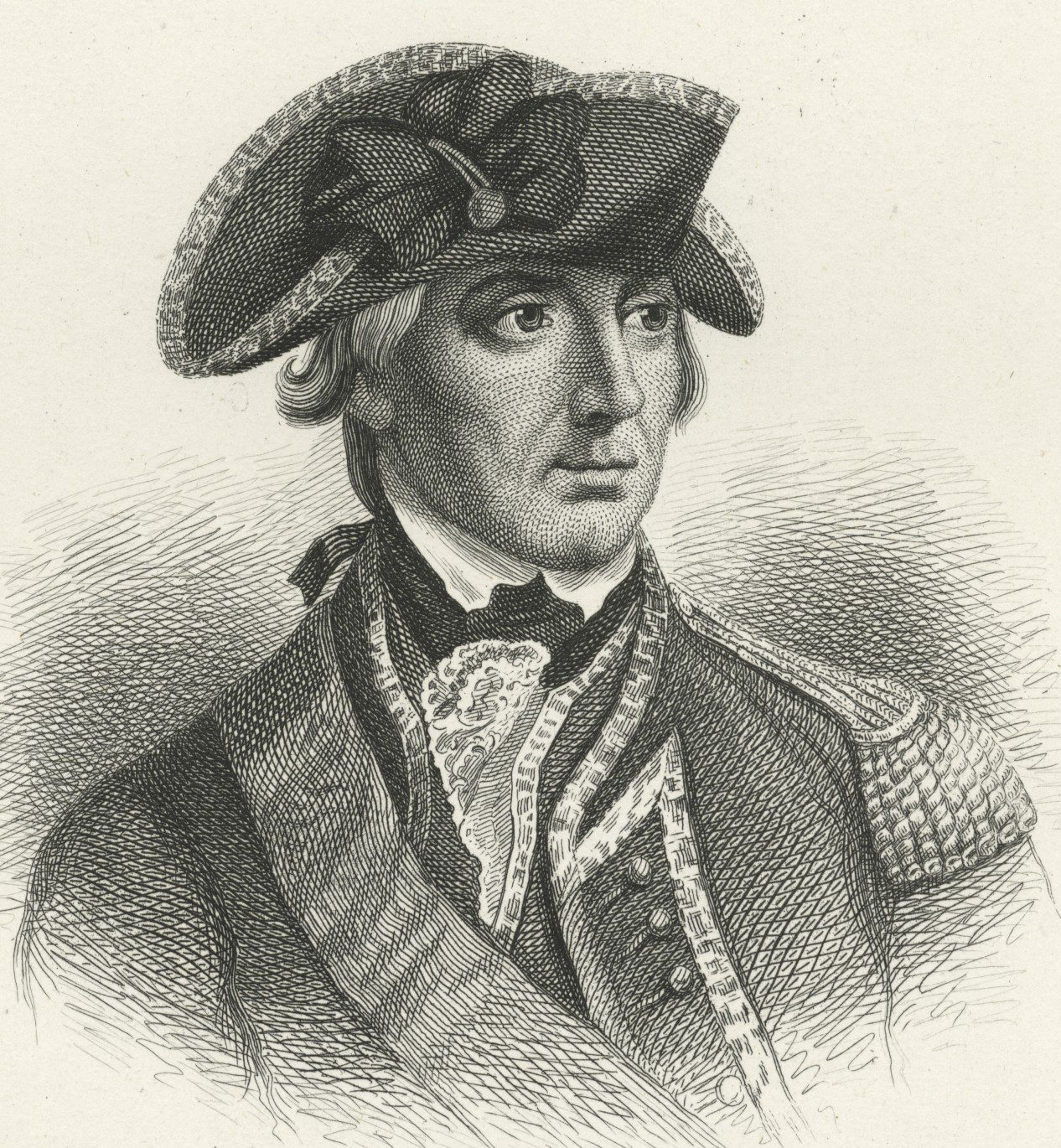
Howe was an experienced military leader and well-versed in battle tactics. He assessed everything with a cold mind and assumed that a direct attack would be too bloody. Thus, he decided to use a strategy that would allow him to outwit the enemy, gaining victory with minimal losses. Standing on top of a hill, he created a plan to exploit weak points in the opponent’s defenses. He decided to divide his army. He thought of using one part to attack and distract the enemy. The other would quietly surround the opponents.
While the US soldiers were fighting in Brooklyn, the main forces of the enemy came from the east. The commanders were convinced that the enemy had concentrated all the strength in front of them. They did not realize that this was a well-designed maneuver. Several hundred men from the state of Maryland, later known as the ‘Maryland 400’, held back the enemy. Many of them fall. Washington commanded remotely from Manhattan. When he received a message about an attack, he came to the spot. Later, the British leaders stopped the attack in order not to sacrifice troops in vain.
At the same time, the main force was moving through the Battle Pass. They navigated the dense forests and swampy terrain skillfully. Their uniforms and polished weapons glistened in the sun. At approximately 9 AM, they left the pass, catching the opponents by surprise.
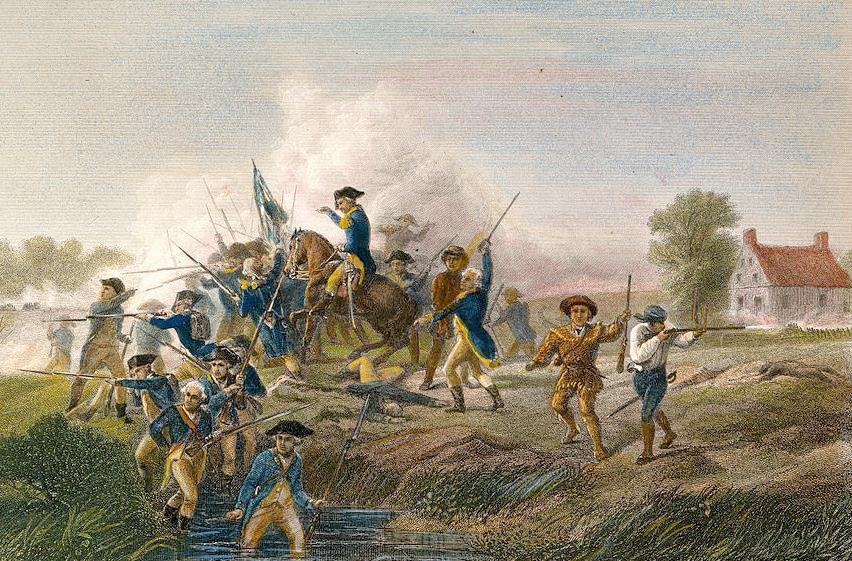
Americans were led by Alexander and Sullivan and fought with incredible patriotic zeal. Still, the situation became more and more dire. Help came from Manhattan. New troops showed indescribable determination, trying to stop the enemy. Unfortunately, this was impossible. The battlefield turned into a terrible place of killed soldiers and broken dreams.
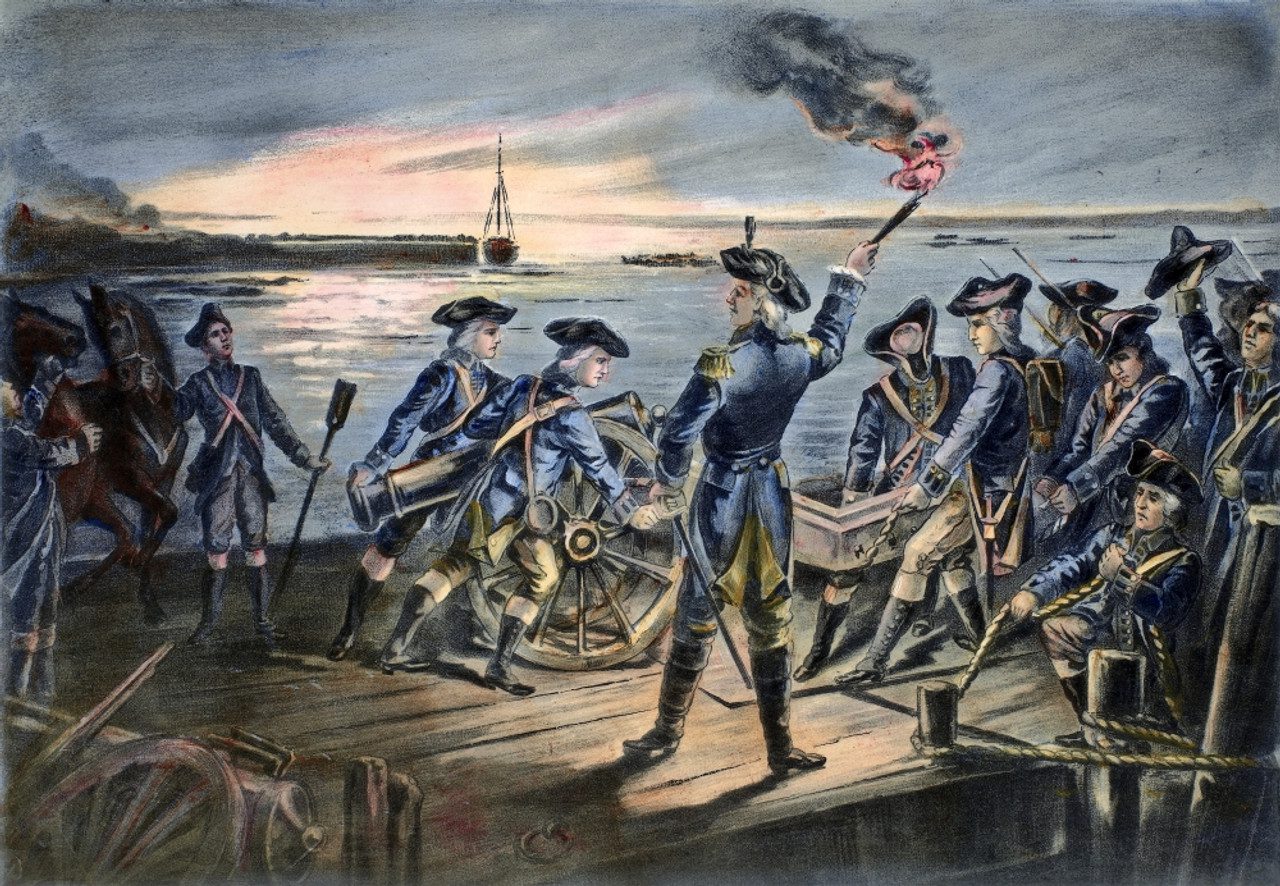
Washington made a desperate attempt to save his soldiers in heavy fog and rain on August 29. He ordered them to be silent and slowly advance to Manhattan via the East River. At night, they made their way to ferries, boats and homemade rafts. Each ship was loaded with exhausted soldiers. Throughout the night, Washington directed the evacuation, making sure all the soldiers crossed the river. He left on the last boat.
The enemy was amazed to discover that US soldiers disappeared. Washington’s defeat could have resulted in the surrender of all his forces. Still, his strategic thinking allowed the soldiers to avoid capture. The British retained control of New York until the end of the war. Their achievements were due to the intellectual abilities of the generals and a good knowledge of the area.
Consequences
This tactical defeat brought some positive consequences to the US. The escaped forces could fight further. This event demonstrated the tenacity and determination of US citizens and revealed the strategic abilities of Washington.
In the months and years that followed, Americans regrouped and grew into a strong army capable of conquering the British Empire. Despite the fact that the latter were succeeding for a while, they were defeated in the battles for Washington.
This battle taught the US a valuable lesson. It became clear that to defeat the enemy, it was necessary to create novel tactics, use intelligence and stay flexible in case of unforeseen situations.
More facts
- The British had nearly 20,000 troops, while the Americans only had 10,000.
- An estimated 9,000 British troops were Germans, known as ‘Hessian Mercenaries’. This is the general name of the formed and trained military groups from Hesse and other German lands that served as mercenaries of other states.
- The US forces had 1,000 casualties, including 300 killed. For their opponents, the number was nearly 350.