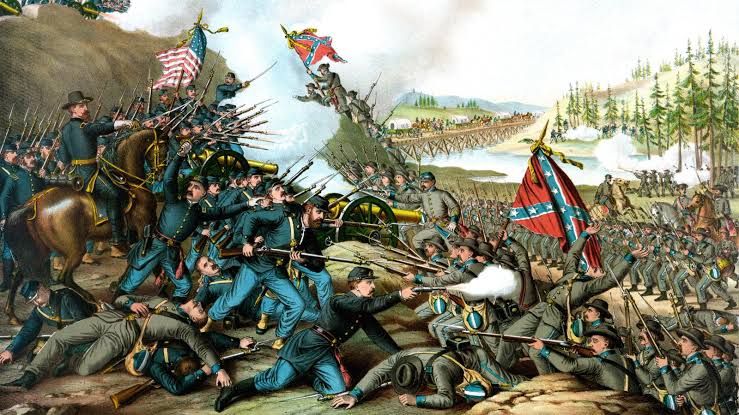

April 12, 1861, marks the start of the Civil War, the deadliest conflict in U.S. history. It was the inevitable result of the clash between slavery and free labor. Just two days after the fighting started, President Abraham Lincoln urged volunteers to stand against the Southern aggression. Many Queens residents signed up to fight. Together with fellow Northerners, they courageously fought for freedom from slavery and sought to bridge economic and political divides. For more information, visit queensyes.com.
Prerequisites for the war
In the early nineteenth century, the U.S. was clearly split between the slave-owning South and the industrialized North. Most immigrants chose to settle in the Northern states due to the thriving industries there. This region was also active in promoting equal rights for women and men, as well as for white and black citizens. In contrast, the South was primarily agricultural, with white landowners holding considerable power. Their dependence on slave labor made them largely resistant to the social reforms promoted by the North.
On top of that, the country’s tax policy has been a point of contention. The South wanted to cut import duties, while the North wanted to protect its industries with high tariffs. Afterward, South Carolina announced its secession from the U.S., with Georgia, Florida, Mississippi, Alabama, Louisiana and Texas following suit. Following that, the Southern states created the Confederacy, set up their own government and elected Jefferson Davis as their president. Meanwhile, in November 1860, Abraham Lincoln, a Republican who advocated for the abolition of slavery, assumed the presidency of the U.S.
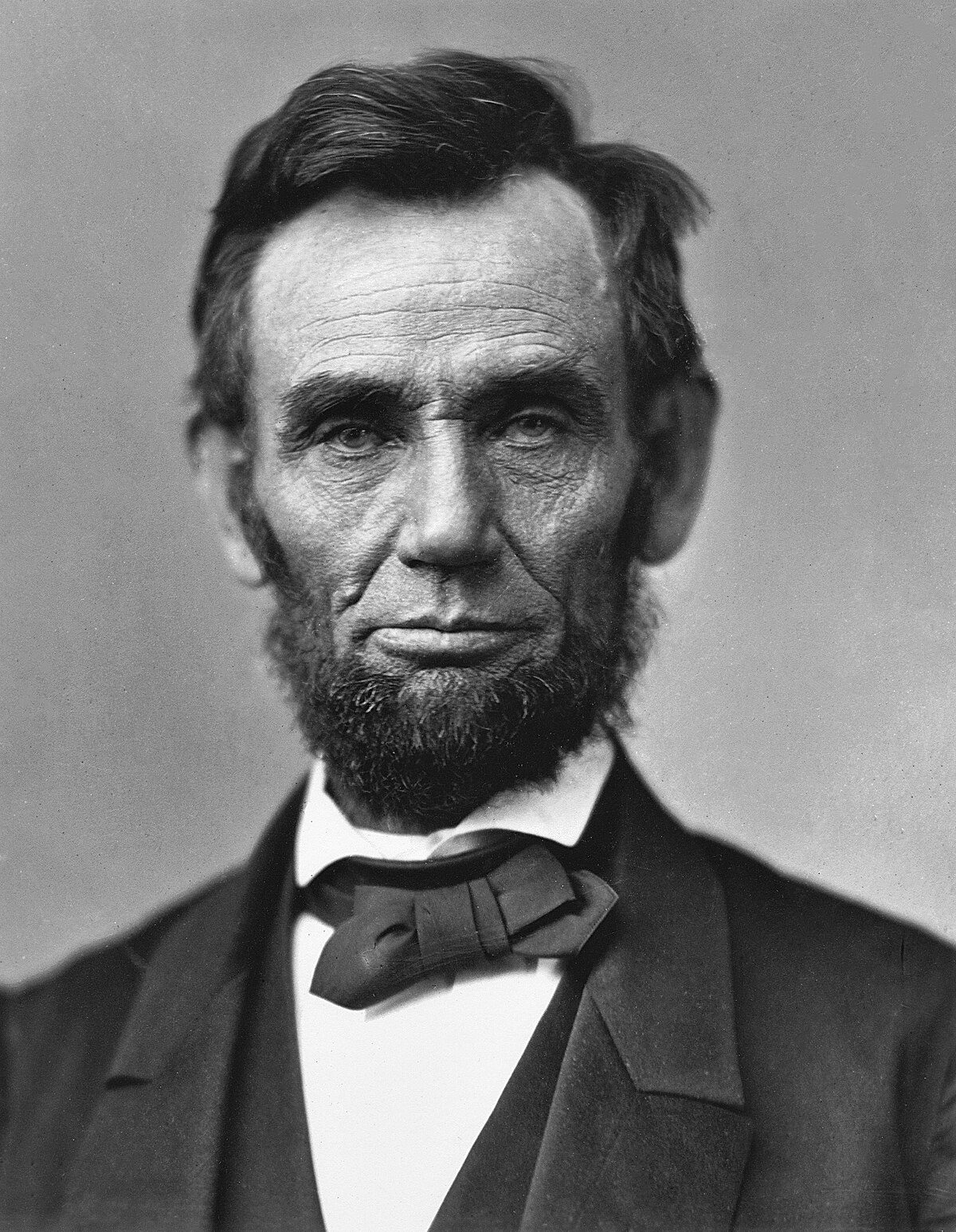 Abraham Lincoln
Over ten thousand battles
The American Civil War spanned from April 1861 to May 1865, featuring a conflict between the Northern states (Union) and the Southern states (Confederacy). As the war unfolded, Virginia, Arkansas, Tennessee and North Carolina joined the Confederacy. The first significant battle occurred in Virginia on July 21, 1861, in Prince William County, near what is now Manassas, approximately thirty miles west-southwest of Washington, D.C. Both sides fielded around 18,000 troops, who were not well-trained or effectively led. The Confederacy emerged victorious in this battle, causing Union forces to retreat in disarray shortly after.
Things took a turn for the worse for the South in mid-1862 when they faced a naval blockade that had a significant impact on their economy. On January 1, 1863, the Union made ending slavery a key goal of the war when Lincoln released the Emancipation Proclamation, which stated that all slaves in the Confederate states were to be set free.
The Civil War came to an end in May 1865, with the Confederates facing a significant defeat. In December, the abolishing of slavery was written into the U.S. Constitution—246 years after the first black slaves were born in Virginia! The war saw more than ten thousand battles, making it the largest armed conflict in U.S. history in terms of human loss. That’s why it’s called the bloodiest war in the U.S. Estimates suggest that between 752,000 and 851,000 soldiers lost their lives in the American Civil War.
Queens participation
Queens residents, as well as others from New York State, promptly heeded the President’s call to action. Their sense of patriotism remained strong throughout the difficult and protracted struggle to preserve the Union. At any time, the people of the Borough were prepared to enlist in the army and offer their full support. Some even contributed personal funds to ensure that soldiers could be deployed to the field right away. All the soldiers who joined were volunteers, eliminating the necessity for a draft.
Some Queens communities offered medical assistance to ill and wounded soldiers and their families. Everyone in the community came together to engage in fundraising and other activities necessary to support the government.
Fort complex
In 1857, the U.S. government acquired land from the Willetts family for $115,000 to construct a fort in Queens, which would later be named Fort Totten. The fort was integrated into a network of coastal defenses surrounding New York Harbor. The initial design was completed by Robert E. Lee that same year, just four years before the start of the Civil War. During the war, New York City used the fort to protect Union forces from the Confederate Army. The approximately 100-acre site served as a federal military base from the Civil War era until the 1980s.
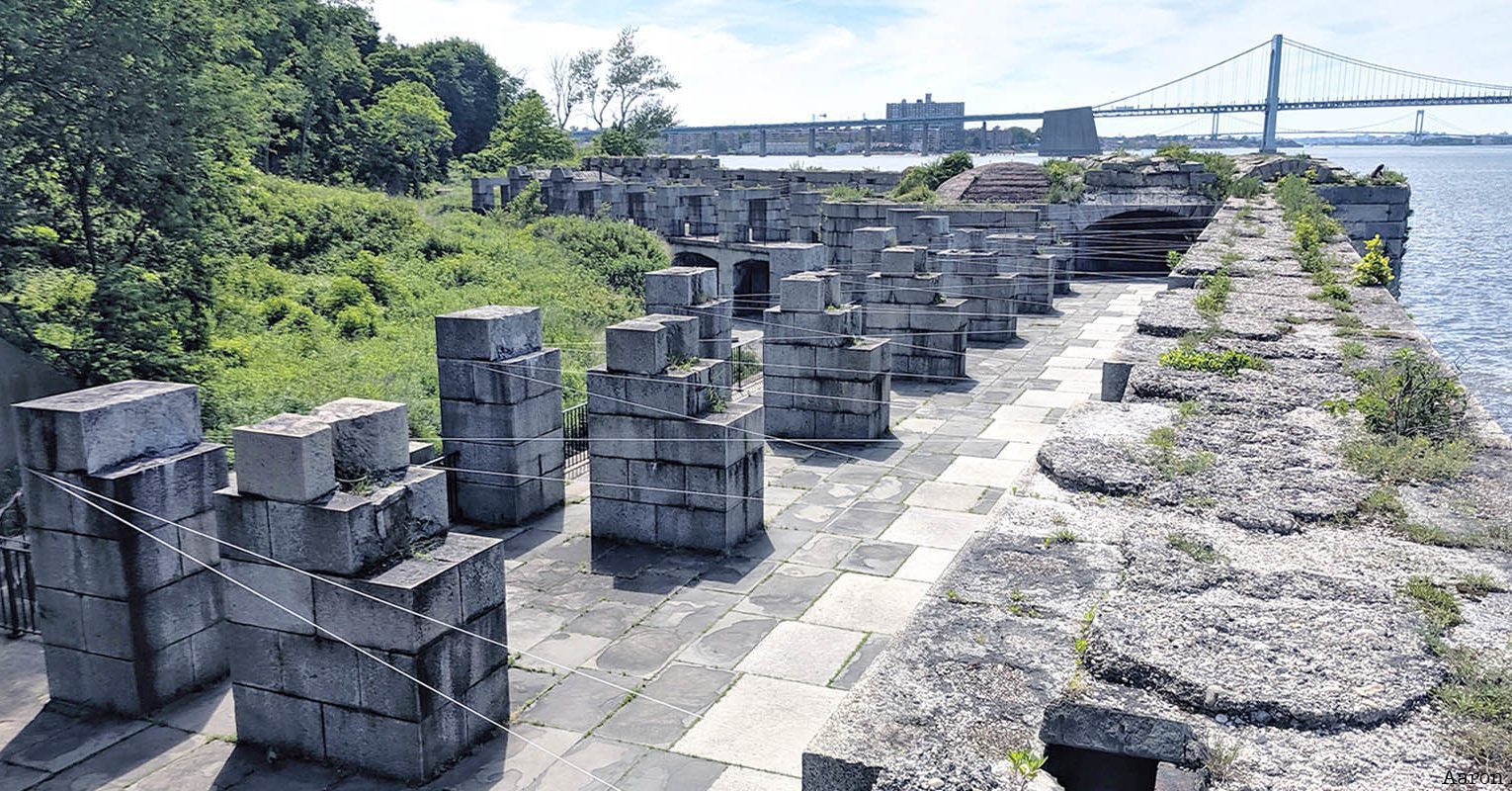
After the Civil War, work on the fort came to a halt, mainly because the existing buildings were considered obsolete. However, when the United States entered World War I, the fort was modernized. During this period, with the threat of German ships appearing minimal, it served as a center for mobilization and training.
Since the 1980s, Fort Totten has been used by St. John’s University, the Bayside Historical Society, Queens Theater in the Park and the New York City Fire Department among others. In the 21st century, several U.S. Army Reserve battalions are stationed at Fort Totten, while most of the site remains a public park. Most of the Civil War-era structures lie in ruins, giving off a haunting feeling of time standing still. It’s a popular spot for tours and historical exploration. With the fort open to the public, it continues to attract visitors as a tourist destination.